When Edward, the eternal seventeen-year-old vampire, believes that Bella has taken her own life, he decides that the best thing to do is to seek death in his turn at the hands of the Volturi, a lineage of very powerful vampires, rooted, according to the author of the Twilight Saga, in the city of Volterra. This is one of the most delicate and gripping phases of the plot of New Moon, the second chapter of one of the most widely read and, above all, seen sentimental stories on film, born from the pen of Stephanie Meyer.
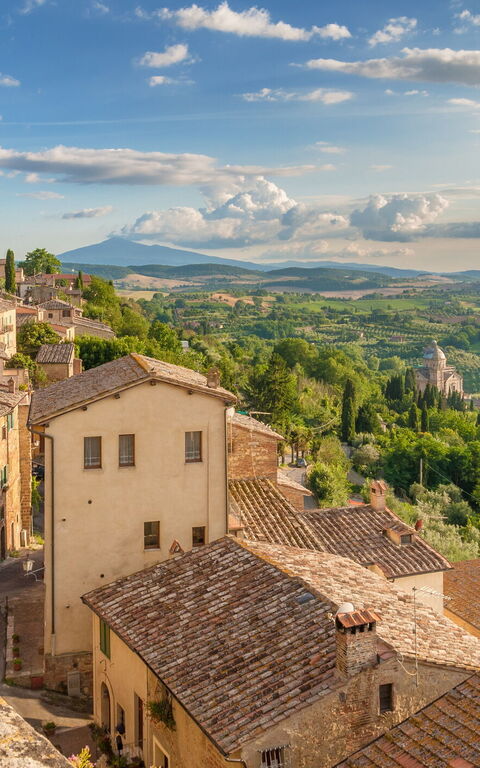
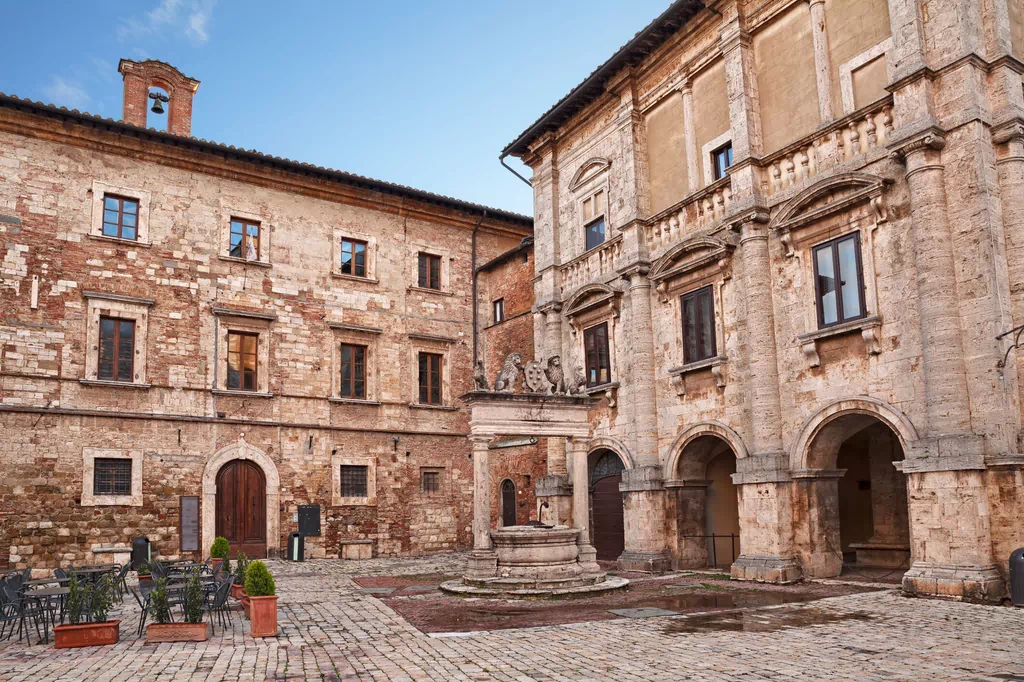
"There's Volterra!" says Alice Cullen in her yellow Porsche as soon as she sees the outline of the town where the Volturi live. In reality, that village with its narrow alleys winding uphill is Montepulciano.
The setting, part Canadian and part Italian, has been able to enhance one of the most beautiful towns in our country, Montepulciano in the province of Siena, drawing attention also to Volterra, the protagonist in the book but not in the film shot in 2009 by director Chris Weitz. The reasons are to be found in the photographic and symmetrical rendering offered by Montepulciano, considered better for the film than the Pisan Volterra.
The places chosen as the setting were Piazza Grande and the surrounding buildings, in particular the Palazzo Comunale.
To this day, the places listed above are among the most visited by tourists thanks to the fame they gained after the filming.
A BRIEF HISTORY OF MONTEPULCIANO
Montepulciano is a town in Tuscany, Italy, famous for the production of high quality wine, in particular Vino Nobile di Montepulciano. The town has a history dating back to Etruscan times and was subsequently ruled by various Italian kingdoms and city-states. During the Renaissance, Montepulciano saw a period of great artistic and cultural development, which led to the construction of numerous churches, palaces and works of art. Today, Montepulciano is a popular tourist destination offering visitors an authentic experience of Tuscan culture, with its medieval architecture, delicious local cuisine and famous wine production.
TWO DAYS IN MONTEPULCIANO
Here is a possible two-day itinerary:
Day One
1. Start the day with a visit to Piazza Grande, the heart of Montepulciano's historic centre, where you can admire the splendid Renaissance architecture and enjoy panoramic views over the Val di Chiana.
2. Visit the Cathedral of Santa Maria Assunta, an important example of Gothic architecture with works of art by local artists.
3. Proceed to the Church of San Biagio, a 16th-century church located a few kilometres from the historical centre of Montepulciano, famous for its Greek cross-shaped architecture and red and white marble decorations.
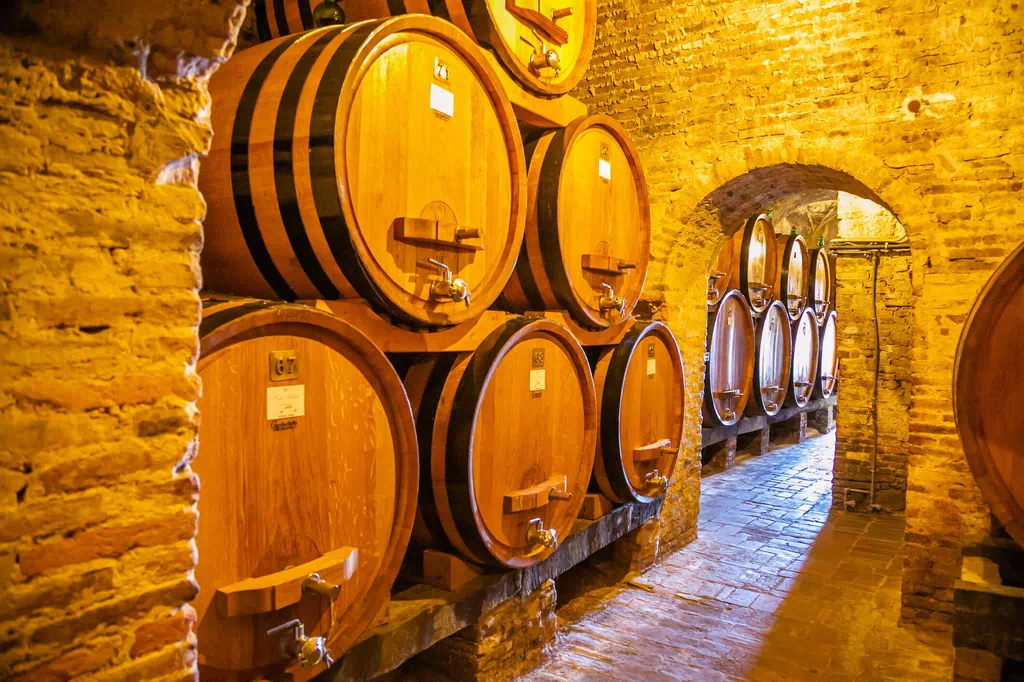
4. After lunch, visit the cellars of Montepulciano to taste Vino Nobile, the area's typical wine. Write to us to organise your Wine Tasting.
Day Two
1. Start the day by visiting the Temple of San Francesco, a former Gothic church converted into a contemporary art museum.
2. Proceed to the Palazzo Contucci, a Renaissance palace housing the Civic Museum and Art Gallery, where Renaissance and Baroque works of art can be admired.
3. Climb the Pulcinella Tower for a panoramic view of the city and its surroundings.
4. Have lunch in the villa you have booked through Posarellivillas and enjoy dishes created by a private chef. The menu includes typical dishes such as ribollita or Florentine steak.