Archive for "Food and Wine"
Planning a trip to Italy? Browse and read our useful and informative articles about the endless range of attractions and experiences in this lovely country.
Travel through the beauties of Italy with us. Visit our blog!
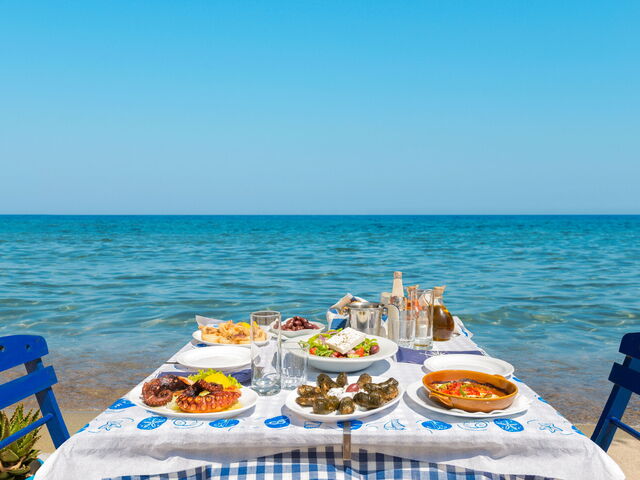
According to TasteAtlas, Greek cuisine ranks second among the best cuisines in the world, surpassed only by Italian cuisine. This recognition captures the true culinary spirit of the country: Greek gastronomy stands out for an apparent simplicity that is in fact based on high-quality ingredients and a strong focus on seasonality. Food culture in Greece goes far beyond simple nourishment. It represents sociability, tradition, and a deep connection to the local region. Fresh products, regional specialties, and time-honored recipes come together in an authentic culinary experience that invites visitors to immerse themselves in the Mediterranean lifestyle and turns every meal into a special moment.
For those planning an unforgettable vacation, there is another noteworthy highlight: the island of Crete has been recognized by TasteAtlas as one of the world’s leading gastronomic travel destinations. This recognition is not driven by passing trends, but by a deeply rooted and authentic food culture that has shaped everyday life on the island for generations. Visitors discover a cuisine full of character and rich flavors. Fresh, local ingredients take center stage in every meal: high-quality olive oil, sun-ripened olives, traditional cheeses, and carefully selected wines form the foundation of many specialties. Each dish becomes a flavorful journey through Crete’s landscapes, history, and way of life.
A Thousand-Year Mosaic: History and Influences of Greek Cuisine
Greek cuisine is one of the oldest in Europe and has developed over the centuries into a rich mosaic of flavors and traditions. Shaped by the mild Mediterranean climate, the unique geography of the islands, historic trade routes across the Mediterranean, a culinary culture emerged that has preserved its authenticity to this day. As early as antiquity, the famous “triad” of grains, olive oil, and wine formed the foundation of the diet, complemented by legumes, freshly caught fish, seasonal vegetables, aromatic wild herbs, and high-quality dairy products. In Greece, however, food has never been merely about sustenance. Meals have always been an expression of community, tradition, and cultural identity. This spirit is still visible today in lively tavernas, long family meals, and the warm hospitality visitors experience throughout the country. Every dish tells a story, blending flavor with living tradition.
Over the centuries, Greek cuisine has absorbed numerous influences while maintaining its distinctive identity. Spices and dried fruits from the Middle East and the Persian world enriched local flavors, while the Roman and Byzantine heritage refined baking and preservation techniques and helped shape a cheese-making tradition that remains important today. During the Ottoman era, specialties such as meze and syrup-based desserts became part of the culinary landscape. Meze refers to a variety of small dishes served as appetizers, ranging from marinated olives to stuffed grape leaves. They represent a shared dining experience where enjoying food together is central. Sweets made with flatbread and aromatic syrup tell stories of cultural exchange over the centuries. Even the well-known Tzatziki – a refreshing blend of yogurt, cucumber, and garlic – reflects these historical connections, as its name derives from the Turkish word “cacık.”
The Greek islands in particular absorbed Venetian and Italian influences over the centuries, developing their own culinary nuances and terminology. Pastitsio, for example, is now a staple of Greek cuisine, yet its roots lie in Mediterranean cooking traditions where layers of pasta, savory minced meat, and creamy béchamel sauce are combined into a harmonious dish.
The result is a cuisine with a clear identity: olive oil plays a leading role, local ingredients take center stage, aromatic herbs add depth to every dish, and sociability lies at the heart of the dining experience. Every bite reflects centuries-old traditions, the meeting of land and sea, and an approach to food that engages all the senses.
Greek Ingredients: The Foundation of a Timeless Cuisine
The true strength of Greek cuisine lies less in elaborate preparation and more in the quality of its ingredients. When olive oil is authentic, tomatoes are ripe and harvested in season, and cheese is produced using traditional methods, even simple dishes offer balanced and distinctive flavors.
Olive oil forms the foundation of this culinary tradition. It is not merely a seasoning, but a central element of daily nutrition, closely linked to agriculture and the landscape. On Crete in particular, it plays a key role in regional cooking. Olives themselves are equally important, especially the well-known Kalamata olives. With their firm texture and intense flavor, they exemplify the quality and authenticity of many Greek products.
When it comes to cheese, Greece also offers a wide and long-standing tradition. Feta is the most famous variety and has been aged in brine for centuries. Today it is a cornerstone of Greek cooking, used not only in the classic Greek salad but also in savory pies, baked dishes, and a variety of fillings. Alongside Feta, other cheeses play an important role, including Kasseri, Kefalotyri, and Manouri. Each of these specialties has its own flavor profile and typical culinary uses, reflecting the regional diversity and artisanal heritage of Greek cheesemaking.
Graviera, one of Greece’s most important hard cheeses, deserves special mention. On Crete, Graviera Kritis is associated with high quality. It is mainly produced from sheep’s milk, sometimes blended with goat’s milk, and is known for its aromatic, slightly nutty flavor that works well both on its own and in cooked dishes. Also well known is Graviera from Naxos, appreciated for its milder, more buttery profile. This variety is made from cow’s milk and differs clearly from the Cretan versions.
Two other ingredients with strong regional identity are also central to modern Greek cuisine. Greek yogurt gains its thick and creamy texture through a special straining process. It is versatile and appears in both savory dishes and desserts, often paired with honey and nuts. Equally well known is the pistachio from Aegina (Fystiki Aeginas), a product closely tied to its place of origin. Its intense aroma and long cultivation tradition make it a valued specialty.
These ingredients highlight how deeply Greek cuisine is rooted in regional products, traditional production methods, and a food culture where enjoyment and togetherness are closely connected.
The Great Classics: Greek Flavors Between Taverns and Everyday Life
Greek cuisine is internationally known for several iconic dishes distinguished by clear flavors and straightforward, time-tested preparation. Gyros and Souvlaki are among the best-known specialties and represent an approachable, everyday food culture enjoyed both at street stands and in traditional taverns. Gyros usually consists of pork or chicken cooked on a vertical rotisserie, sliced thin, and served in soft pita bread. Typical accompaniments include tomatoes, onions, and Tzatziki, a yogurt and cucumber sauce with garlic. Souvlaki, on the other hand, refers to marinated meat skewers that are grilled and often served with bread, vegetables, or salad. Both dishes are integral to daily Greek cuisine and show how enjoyment, sociability, and simple ingredients come together.
Moussaka is one of the most well-known baked dishes in Greek cuisine. It typically features layers of eggplant, seasoned minced meat, and a golden-brown béchamel sauce. In many households, it is traditionally prepared for shared meals and is considered a classic family dish. The combination of ingredients creates a balanced interplay of textures and flavors: the eggplant absorbs the seasoning of the meat and tomato sauce, while the béchamel adds a creamy structure that harmoniously brings the layers together.
The Greek salad, also known as Horiatiki, perfectly represents the core principles of Greek cuisine: few ingredients, clear flavors, and careful selection of high-quality products. Ripe tomatoes, fresh cucumbers, red onions, Kalamata olives, and Feta come together in a balanced combination of freshness, acidity, and savoriness. The quality of each component is essential to the final result. In its simplicity, this salad reflects the importance of seasonal ingredients and regional products and is a staple of everyday food culture in Greece, especially during the warmer months.
Many other traditional dishes also shape Greek cuisine. Spanakopita is a savory pie made with phyllo dough and filled with fresh spinach and Feta. The thin, crisp layers of pastry and the aromatic filling highlight the craftsmanship behind many classic recipes. Gemista, vegetables such as tomatoes or peppers stuffed with rice, herbs, and spices, reflect the close connection to seasonal agriculture. Equally typical are Horta, a variety of wild greens that are boiled and seasoned with olive oil and lemon. These simple preparations show how strongly everyday Greek cooking is influenced by regional plants, fresh ingredients, and straightforward flavors.
What Can You Eat on Crete, One of the Leading Culinary Destinations?
Crete’s cuisine holds a special place within Greece. It is characterized by simple preparations, high-quality local ingredients, and a strong connection to the island’s agricultural traditions. A balanced combination of vegetables, legumes, grains, herbs, cheese, and olive oil is typical, complemented by fish along the coasts and meat dishes inland.
A central element is extra virgin olive oil, used generously and giving many dishes their distinctive depth. Even simple meals based on vegetables or legumes gain a rounded, full flavor from it. Wild greens, grouped under the name Horta, are also typical. They are usually boiled and served with olive oil and lemon, representing the island’s close ties to nature. This cuisine is further enriched by regional cheeses such as Graviera and Myzithra, used both fresh and aged.
The culinary diversity is also reflected geographically: along the coasts, fish dishes dominate, while in the mountainous interior, legumes, stews, and grilled meats are more common. These differences mirror the island’s varied landscapes and make its regional cuisine particularly diverse.
Another key aspect is the strong presence of food culture in daily life. Local markets, small bakeries, artisanal producers, and family-run taverns shape the culinary scene. Fresh, seasonal products are central, and meals are traditionally enjoyed in a shared, relaxed atmosphere. On Crete, food is not just about nourishment, but an integral part of social and cultural life.
Low-Cost Dining on Crete: Enjoy Authentic Cuisine on a Budget
Those who want to experience authentic Cretan cuisine do not need to plan a large budget. With a few simple tips, it is possible to eat well and enjoy local flavors at affordable prices.
Choose small eateries and beach bars: Away from traditional restaurants, simple spots, kiosks, and beach bars often offer sandwiches, salads, and warm snacks at moderate prices. Service is usually quick and informal, especially during the day.
Follow local recommendations: Advice from residents often leads to family-run taverns with fair prices and traditional cooking, away from heavily tourist-oriented areas.
Visit local markets: In cities like Chania and other towns across the island, you can find fresh, seasonal products at reasonable prices. Markets are also a great way to discover typical ingredients and local specialties.
Choose traditional Cretan dishes: Traditional meals are often based on simple regional ingredients and are moderately priced. One example is Dakos, a salad made with tomatoes, olive oil, herbs, and dried bread, considered a light and authentic option.
Ask about daily specials: Many taverns offer daily dishes prepared fresh and offering good value. These meals are often based on seasonal ingredients. < br>
In this context, PosarelliVillas offers a selection of vacation homes on Crete that provide an ideal starting point for exploring the island’s sea, culture, and nature, as well as its diverse cuisine. A comfortable yet authentic accommodation allows you to discover the island independently and explore lesser-known places. Away from the main towns, roads lead to traditional inland villages, secluded beaches, and small taverns where regional dishes are prepared according to long-standing recipes. In this way, a trip to Crete becomes an opportunity to experience local lifestyles and culinary traditions firsthand.
If you would like to discover Greece, and Crete in particular, we invite you to find your ideal vacation home by simply clicking the button below:
VACATION HOMES IN CRETE
Read More

November 28, 2025
Tuscany Unfiltered: Exploring Tuscan Craft Beers Across the Region
Tuscany is renowned worldwide for its exquisite wines and rolling hills, yet a thriving craft beer scene is emerging, setting new trends across the region. In recent years, local breweries have captivated beer lovers, bringing a breath of fresh air and innovation to a landscape long dominated by wine. Drawing on abundant local ingredients and inspired by historical recipes, Tuscan beer artisans craft unique varieties that reflect the region’s history and culture. As a result, Tuscany is now recognized not only for its wine but also as a destination for remarkable beers worth discovering.
In this article, you will learn more about the following topics:
A brief history of beer production in Tuscany
Beer and tourism
What is Tuscan craft beer?
What are the main ingredients of a craft beer?
Which are the top 5 Tuscan craft beers??
Tuscan Beer
The history of beer in Tuscany dates back to ancient times, when the Romans enjoyed fermented grain beverages. In the Middle Ages, monasteries played a key role, developing brewing techniques that kept beer alive.
However, for centuries the brewing tradition remained in the shadow of Tuscany's renowned wine. Over the past fifteen years, craft beer in Italy has surged in quality, transforming from a niche pursuit into a major force in the national agri-food sector.
Historically linked with wine, Tuscany has revived its brewing heritage, supported by research from the University of Florence and initiatives like the HOPS-TUSCANY project, which aims to cultivate high-quality hops for local craft beer production. This has broadened Tuscany's agricultural resources and enabled shorter, sustainable supply chains connecting producers and consumers.
Beer and Tourism
With a focus on sustainability and innovation, Tuscan craft beer is poised to write a new chapter in the region's history, blending tradition with modernity to offer a unique, authentic experience.
PosarelliVillas invites you to stay in comfortable surroundings nestled in nature, just a short distance from many small breweries that offer tours and tastings in Tuscany's most beautiful areas:
Cantina Errante, near Barberino Val d’Elsa.
Birrificio Valdarno Superiore, in the area around Arezzo.
Birrificio Agricolo, in Peccioli.
Bausbeer in Vinci.
Vaporidibirra , in Casteluovo Val di Cecina.
What is Tuscan craft beer??
Tuscan craft beer refers to beers produced by small, independent microbreweries in Tuscany that do not use pasteurisation or microfiltration and often produce only up to around 200,000 hectolitres per year. Characteristic features include local ingredients such as barley from Val d'Orcia and Mugello, and traditional methods such as spontaneous fermentation and maturation in wooden barrels. Agribirrifici, where most of the raw materials are produced on the premises, are becoming increasingly popular – an expression of regional identity and quality.
What are the main ingredients of a craft beer??
Due to its local and non-industrial nature, one of the fundamental characteristics of a craft brewery is its close connection to the production area and the products that characterise that area. Beer consists of several key ingredients.
The main ingredients are:
Water, the quality of which is crucial to the success of a first-class beer.
Malt, which provides sugar and flavour. Barley is the most commonly used grain, but other grains, including ancient grains, are also used. The grain is germinated and dried to produce malt. The use of ancient Tuscan grains strengthens the beer's connection to its geographical origin and local biodiversity.
Hops, which provide bitterness, aroma and shelf life. Native Tuscan hops tend to be richer in bitter compounds, aromatics and polyphenols than many commercial foreign varieties and are often better adapted to local conditions.
Yeast, which determines fermentation and contributes to aroma.
Moreover, there are additional ingredients that are indispensable but often “invisible”: besides malt, other grains such as spelt and oats can also be used. A few years ago in Tuscany, an ancient grains revival surfaced, the remains of which were found by bioarchaeologists in Val d'Orcia: charred seeds of the genus Triticum, including T. monococcum (einkorn wheat), as well as oats, barley and other very ancient grains.
Finally, there are the so-called special ingredients, which give the products their uniqueness and drive the continuous search for new flavours. These are ingredients that each brewery adds according to its own recipes: fruit, spices, peel, herbs or wood to achieve distinctive aromas.
What are the five best Tuscan craft beers??
The variety of breweries offering red, blonde, dark, double malt, non-alcoholic, gluten-free beers and special flavours is vast. To highlight excellence, we present the winners of the Beer of the Year 2025 competition, organized by Unionbirrai. Tuscan beers won a total of six awards. Here are the standout performances:
Big One (Calibro22 Brewery, Figline Valdarno, Florence) in the category “Light and amber beers, top-fermented, medium alcohol content, hoppy, American-inspired (American IPA)”.
Rye Stout (La Collina Trattoria & Birrificio Artigianale, Pescaglia, Lucca) in the category “Dark beers, top-fermented, low alcohol content, American-inspired (American Porter, American Stout)”.
La Mancina (Birrificio del Forte, Pietrasanta, Lucca) in the category “Light beers, top-fermented, high alcohol content, Belgian-inspired (Belgian Golden Strong Ale, Tripel)”.
Smoky Trip (Topta Brew Pub, Montecarlo, Lucca), special mention in the category “Light, amber and dark beers, top-fermented or bottom-fermented, with low to high alcohol content, smoked and peated”.
Marron (La Petrognola, Piazza al Serchio, Lucca), special mention in the category “Light, amber and dark beers, top-fermented or bottom-fermented, with low to high alcohol content, using chestnuts”.
Discover below 5 villas in the vicinity of the best microbreweries in Tuscany:
Read More
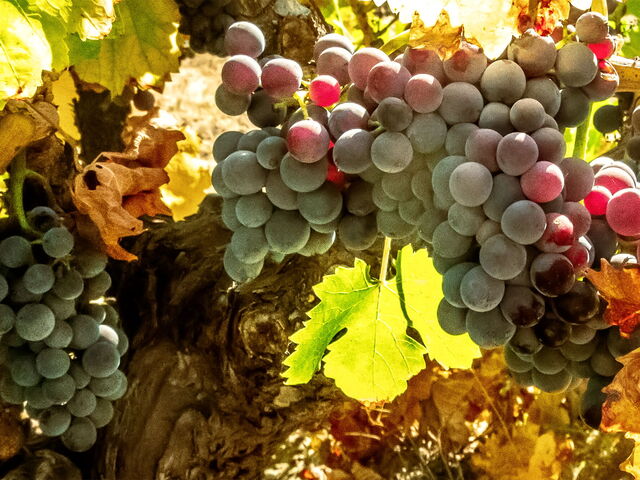
In Tuscany, the grape harvest is not merely gathering grapes but a memorable ritual —a land pulsing with life under the heat of the day and the hush of the evening breeze. In September, when summer gives way to autumn, the vineyards bloom into a communal scene where labor, flavors, and beauty converge in a centuries-old narrative.
In this article, you will find information on these topics:
Yesterday’s Grape Harvest
The Grape Harvest Today
Territory and Taste
The Grape Harvest as a Visitor
Autumn Holidays in Tuscany
From Then to Today: The Grape Harvest and the Enduring Legacy of Ancient Traditions
Traditional grape harvest
Yesterday’s Grape Harvest: A Glimpse into the Ancient Beauty of Tuscany
For farmers, the grape harvest marked the year's most anticipated moment: a juncture to reflect on the season—its labor, weather-related risks, and lingering uncertainty—yet crowned by a satisfying sense of accomplishment. Severe weather, from brutal winters to scorching summers or sudden hail, could imperil the harvest as a whole.
Work in the vineyard unfolded through a sequence of tasks: tending the vines, tidying the spaces between the rows, monitoring diseases, and managing weeds. At harvest, wooden tubs, baskets, and vats rode on ox-drawn carts, and at dawn entire families joined in the effort.
In the vineyard, the bunches were cut with scissors or sharp blades, gathered in baskets, and unloaded into vats, then trodden barefoot in tubs. The grape harvest was a shared labor of love, where lunch itself became a ritual as women and families brought food to sustain the day’s work, reinforcing a tradition of conviviality. This is the grape harvest of yesteryear: deep roots, participatory labor, and a memory that continues to inspire visitors to Tuscany seeking authentic wine tourism.
Modern Grape Harvest
The Grape Harvest Today: A Balanced Blend of Tradition and Technology
Harvesting methods have shifted toward mechanisation, ensuring steady quality, rapid picking, and the option to work at night, thereby lowering costs. Pressing is now predominantly mechanical, and technology is playing a larger role in the winery. With precision and safety at the forefront, these innovations optimise time and resources without compromising quality.
Today, winegrowers know that the balance between tradition and innovation is the key to a wine that authentically expresses the characteristics of the area while remaining efficient and responsible. Crushing and pressing can be mechanised, enabling delicate aroma extraction without compromising the wine’s integrity; filtration preserves clarity and organoleptic purity. Harvesters capable of suctioning grapes or shaking branches allow rapid, uniform picking, especially in large vineyards or where weather challenges persist. Technology does not create barriers between the land and those who visit to experience it; instead it safeguards quality from the very start, reducing time and waste without betraying the soul of the countryside.
Tuscan Vineyards
Territory and Taste: The Vital Role of Terroir in Wine Production
The Tuscan climate defines the wine’s character from its roots: sea breezes sweeping the hills modulate summer temperatures, while mild winters and sunny summers nurture slow and controlled ripening.
The vineyards are strategically positioned on sunlit slopes facing east and south, allowing for gradual maturation and balanced acidity. Moderate altitude provides the ideal balance between color, structure, and freshness, while distance from the sea mitigates winds and helps preserve delicate aromas.
The hilly topography, with its micro-zones, yields climatic variations that are valuable for quality: sunlight, filtered by the canopy, shapes complex aromatic profiles, and day–night temperature swings refine tannins and structure. The variety of Tuscan grapes is the key to understanding each vineyard: Sangiovese, heart of Chianti wines, expresses elegance and longevity, while whites such as Trebbiano and Vernaccia offer minerality and liveliness; Vermentino and other native varieties add freshness and savor.
Each vineyard reflects a unique geography, from Chianti to the hills of the Maremma, with different exposures that create distinctive taste profiles tied to the soil. The composition of the soil, whether clayey or sandy, influences the wine’s structure and, in synergy with climate, exposure and variety, helps produce long-lived, aromatic wines.
In Tuscany, viticulture and landscape coexist to tell a story of beauty and terroir, whose deep knowledge, refined over time, allows winemakers to adapt to climate change and offer visitors a panorama of wines that speak of geography, culture, and conviviality—enduring through the years.
Experience the Grape Harvest as a Visitor
Tuscany offers unique opportunities for those who want to immerse themselves in this season and witness the magic of the grape harvest first-hand. Imagine strolling between vine rows bathed in autumnal reds and golds, taking part in a harvest guided by experts who share techniques and trade secrets, and pausing for a meal in a cozy wine cellar where the story of that wine—from grape to glass—is told.
Your visit can unfold into a full-fledged holiday: stay in a rural farmhouse to live the experience from within, observe cellar work, join sensory-led tastings, and rediscover the harmony between land, people, and table. For more information on how to participate in a grape harvest in Tuscany, visit: www.movimentoturismovino.it.
A Villa in Tuscany
Why Choose a Holiday Home in Tuscany in Autumn
If you’re considering booking a house in Tuscany for this autumn, get ready for an authentic, immersive experience: not just observing, but savouring the grape harvest from a close, visitor’s perspective. Here’s why it’s worth it:
Authentic atmosphere: September and October bathe the landscape in soft light, with the scent of must and ripening vineyards as they approach final maturity.
Connection with tradition: Witness real harvest moments and enjoy convivial, local-food dinners, making the holiday a deeply experiential journey.
Rich wine tourism: Guided winery tours, meetings with producers, vertical tastings, and food-and-wine pairing courses offer deep, hands-on engagement with Tuscan wines.
Comfort and lifestyle: A countryside home lets you experience the Tuscan autumn at a relaxed pace, with scenic views, privacy, and seasonal cuisine.
If you’re looking for a house to rent during the harvest period, explore our selection of villas in wine-growing areas in Tuscany:VILLAS IN WINE REGIONS
Read More
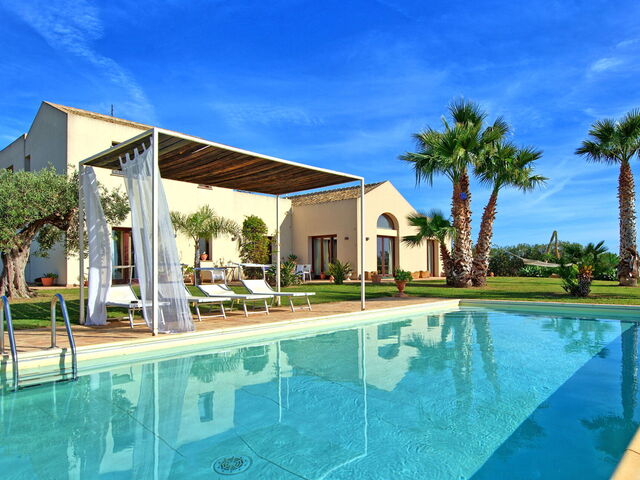
When it comes to culinary excellence, few places rival the timeless traditions and exquisite flavors of Italy and Greece. According to TasteAtlas, these two Mediterranean gems boast the world’s finest cuisines, captivating the palates of gourmands across the globe. With Italy ranked as the number one cuisine in the world and Greece following closely in second place, their culinary mastery offers a feast for the senses. Let us guide you through a flavorful journey, where the artistry of Italian and Greek cuisine meets the unparalleled charm of Posarelli Villas.
Villa Silentium Olia
Italy: A Symphony of Flavors
Italian cuisine stands as a beacon of culinary perfection, celebrated for its simplicity and deep respect for quality ingredients. From the rolling hills of Tuscany to the sun-kissed Amalfi Coast, each region tells a story through its dishes.
The Essence of Italian Cuisine: At the heart of Italian cooking lies an unwavering commitment to freshness. TasteAtlas highlights iconic ingredients such as Parmigiano Reggiano, Prosciutto di Parma, and San Marzano tomatoes as key to Italy’s culinary identity.
Signature Dishes: As TasteAtlas reveals, dishes like Napoli’s pizza margherita, risotto alla milanese, and lasagna bolognese are globally adored for their exceptional taste and rich history.
Pairing with Posarelli Villas: Staying in one of our Tuscan or Sicilian villas offers the perfect opportunity to immerse yourself in this culinary heritage.
Pizza Margherita
Greece: A Celebration of Tradition and Purity
Ranked alongside Italy, Greece offers a culinary experience steeped in history and authenticity. The Greek table is a celebration of life, where food connects people and honors nature’s bounty.
A Taste of Greek Culture: Greek cuisine is a harmonious blend of fresh ingredients and time-honored techniques. According to TasteAtlas, staples such as feta cheese, Kalamata olives, and wild herbs define its distinctive character.
Unmissable Delicacies: Delight in the smoky layers of moussaka, the tangy creaminess of tzatziki, or the sweet indulgence of baklava. As TasteAtlas notes, specialties like souvlaki and Greek yogurt have earned global admiration for their authentic and bold flavors.
Pairing with Posarelli Villas: Our villas in Corfu and Crete provide the ideal setting to explore this culinary wonderland.
Moussaka
Why Choose Posarelli Villas for Your Culinary Adventure?
At Posarelli Villas, we pride ourselves on offering more than just a place to stay. Each villa serves as a gateway to authentic cultural experiences, allowing you to savor the best of Italy and Greece with unparalleled comfort and style.
Tailored Experiences: From private chef services to curated food and wine tours, we ensure that every aspect of your journey is imbued with the essence of Mediterranean living.
Exquisite Settings: Imagine dining al fresco amidst the rolling vineyards of Tuscany or enjoying a sunset dinner overlooking the azure waters of the Aegean.
Dinner at the villa
Embark on a Culinary Journey Today
Italy and Greece have long captivated travelers with their culinary artistry. Now, it’s your turn to explore these extraordinary destinations. Whether you dream of mastering the secrets of Italian pasta or indulging in the vibrant flavors of Greek mezze, Posarelli Villas invites you to make this dream a reality.
Read More
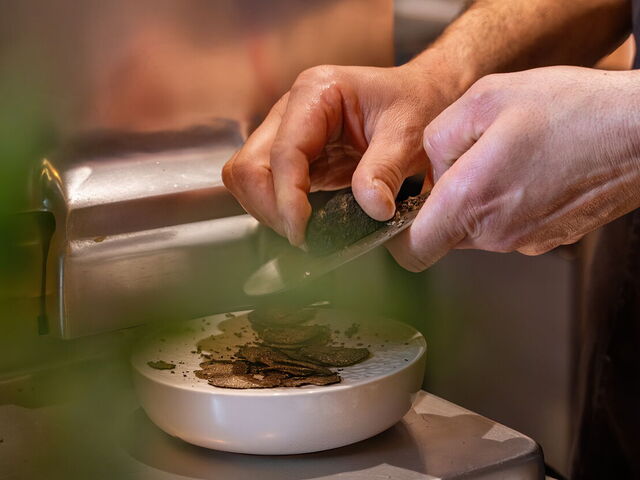
Picture yourself wandering through enchanting Italian woodlands, accompanied by a skilled truffle hunter and their loyal dog. The excitement builds as you unearth nature’s most coveted delicacy—the truffle. At Posarelli Villas, we offer more than just exceptional properties; thanks to our partner, we provide the key to Italy’s most exclusive experiences.
Truffle Tourism Meets Luxury Stays
Indulge in the ultimate truffle experience with our exclusive villas, located in Tuscany and Umbria, regions celebrated for their truffle-rich landscapes. Whether you’re a culinary enthusiast eager to refine your palate or a traveler seeking a once-in-a-lifetime adventure, our partner can tailor every moment to your desires.
Our carefully curated experiences include:
Private Truffle Hunts: Explore lush forests with expert guides and their trained dogs.
Gourmet Dining: Relish your truffle finds through exquisite dishes crafted by private chefs at your villa.
Wine Pairings: Discover the perfect local wines to enhance your truffle-based meals.
Cultural Excursions: Immerse yourself in nearby towns and festivals that celebrate the art of truffle hunting.
A Simple Truffle Pasta Recipe
Bring the flavors of Italy home with this classic Tagliolini al Tartufo (Truffle Pasta):
Ingredients:
250g fresh tagliolini pasta
30g fresh black truffle (thinly shaved)
50g unsalted butter
2 tbsp extra virgin olive oil
Salt to taste
Freshly grated Parmesan cheese (optional)
Instructions:
Cook the tagliolini in salted boiling water until al dente. Reserve some pasta water.
In a large pan, melt the butter with olive oil over low heat. Add half of the shaved truffles and gently infuse for 1-2 minutes.
Toss the cooked pasta into the pan, adding a splash of reserved pasta water for a creamy consistency.
Plate the pasta, top with the remaining truffle shavings, and add Parmesan if desired. Enjoy immediately!
Villa Marliana
Nestled near Cerreto Guidi in Tuscany, Villa Marliana is a historic retreat surrounded by rolling hills and vineyards. This six-bedroom villa accommodates up to 12 guests and features a private pool, air-conditioned interiors, and breathtaking panoramic views.
Montegufoni
Step into history at Montegufoni, a medieval castle offering a unique blend of elegance and modern comfort. With a variety of accommodations surrounded by lush gardens and vineyards, this property is a gateway to Tuscany’s famed truffle regions.
Plan Your Truffle Experience
At Posarelli Villas, we specialize in providing luxurious stays while our trusted partners handle the details of your truffle hunting adventure. From guided hunts to gourmet dining, every element is crafted to delight.
Discover More About Truffles
When visiting Tuscany, a must-see event for truffle lovers is the Festa del Tartufo in San Miniato, where you can experience the rich culture and taste of truffles in their finest forms. The festival is famous for showcasing the largest truffle ever found, and is a celebration of this prized delicacy. Whether you are interested in discovering the best recipes featuring white truffle, learning about the current market price per gram, or understanding how the white truffle is valued, San Miniato offers an immersive experience. Don't miss the chance to explore the latest trends in truffle hunting and indulge in the finest culinary delights the region has to offer.
Contact us today to book your stay and connect with the magic of Italy’s truffle-rich regions.
.image-gallery {
display: block;
text-align: center;
}
.big-image img {
width: 100%;
max-width: 800px;
height: auto;
margin-bottom: 20px;
}
.small-images {
display: flex;
justify-content: center;
gap: 20px;
}
.small-image img {
width: 100%;
max-width: 380px;
height: auto;
}
.image-row {
display: flex;
justify-content: space-between;
margin: 0 auto;
}
.image-box {
text-align: center;
flex: 1;
margin: 0 10px;
}
.image-box img {
width: 100%;
max-width: 150px;
height: auto;
background-color: #d8c8b5;
}
.zigzag-gallery {
display: flex;
flex-direction: column;
gap: 40px;
margin: 0 auto;
}
.zigzag-item {
display: flex;
align-items: center;
gap: 20px;
}
.zigzag-item.reverse {
flex-direction: row-reverse;
}
.zigzag-image img {
width: 100%;
max-width: 300px;
height: auto;
border-radius: 8px;
}
.zigzag-content {
max-width: 600px;
}
.instagram-video-section {
display: flex;
align-items: center;
justify-content: space-between;
gap: 20px;
margin: 0 auto;
}
.instagram-video-section .text-content {
max-width: 50%;
}
.instagram-video-section .text-content h3 {
margin-bottom: 10px;
}
.instagram-video-section .text-content p {
margin-bottom: 15px;
}
.instagram-video-section .video-content iframe {
width: 360px; height: 720px;
border-radius: 8px;
}
Read More
October 12, 2024
Montalcino: Brunello Wine, History and Art
Montalcino: A Journey Through History and Wine
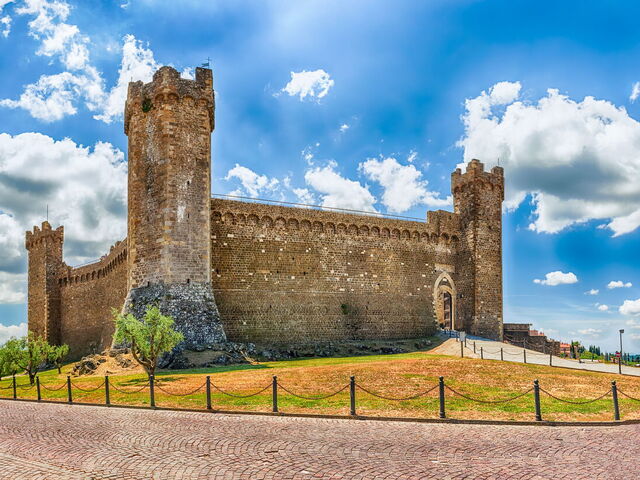
Montalcino is a picturesque medieval town located on a hilltop in the heart of Tuscany. The town is known for its rich history, scenic landscape, and – not least – its world-renowned wine, Brunello di Montalcino. Visiting Montalcino is like traveling back in time while experiencing some of Italy's best wines and culinary delights.
Montalcino traces its roots back to Etruscan times, but it was during the Middle Ages that the town truly flourished as an important fortified city in the region. In the 14th century, Montalcino was often at the center of conflicts between Siena and Florence, both vying for control of the strategically important town. Today, visitors can still see the well-preserved city walls and the fortress "La Fortezza," built in 1361, a testament to Montalcino's war-torn past. From the fortress, you can enjoy stunning views of the rolling hills of Val d'Orcia, a UNESCO World Heritage site.
Brunello di Montalcino – A World-Class Wine
No mention of Montalcino is complete without talking about Brunello di Montalcino, one of Italy's most prestigious wines. This powerful red wine is made exclusively from Sangiovese grapes, locally known as "Brunello." The wine production here is subject to strict regulations, and the wine must be aged for at least five years, with at least two of those years in oak barrels, before it can be sold. This gives Brunello its complex, full-bodied flavor with aromas of dark fruits, spices, and earthy tones.
Montalcino is surrounded by many renowned wineries offering visitors the opportunity to explore the vineyards and participate in wine tastings. Here are some of the most famous:
Biondi-Santi: This is the winery considered to be the birthplace of Brunello di Montalcino. Biondi-Santi has a long history and has been crucial in the development of the now world-famous Brunello wine.
Banfi: Castello Banfi is not only a winery but also a stunning castle. It is one of the largest producers in the region, known for its innovative approach to winemaking and a wide range of wines, including Brunello.
Casanova di Neri: One of the most prestigious wineries in Montalcino, Casanova di Neri has received many international accolades for its wines. Their Brunello has been recognized as one of the world's best wines by renowned wine critics.
Poggio Antico: Located at one of the highest points in Montalcino, this winery is known for its elegant Brunello. The estate offers guided tours that provide insights into both winemaking and the area's history.
A typical wine tasting in Montalcino often includes both Brunello di Montalcino and Rosso di Montalcino, a younger and lighter wine perfect for immediate enjoyment. Many wineries also offer guided tours, where you can learn about the entire production process, from grape harvesting to bottling.
Sights in Montalcino
In addition to the wine experiences, Montalcino also boasts many cultural and historical sights worth exploring. Here are some highlights:
La Fortezza: The old fortress, built in 1361, is an impressive sight and a must for history enthusiasts. From the top of the fortress walls, you can enjoy a breathtaking view of the surrounding landscape.
Piazza del Popolo: The town's central square, surrounded by medieval buildings, is a great place to experience Montalcino's charming atmosphere. Here you'll also find the Palazzo dei Priori, a historic town hall with a slender clock tower.
Sant'Antimo Abbey: Just outside the town lies this magnificent Romanesque abbey, dating back to the 8th century. It is said that Charlemagne founded the abbey, and it is known for its simple yet impressive architecture and the Gregorian chants often performed here.
Museo Civico e Diocesano: For art lovers, this museum is a must. It houses an impressive collection of religious art, including works from the Sienese school, which dominated the region during the Middle Ages.
Whether you're a history enthusiast, wine lover, or simply want to experience the beauty of Val d'Orcia in Tuscany, Montalcino has something to offer. The town's unique blend of culture, nature, and exceptional wine makes it an unforgettable destination.
Take your time exploring the cobblestone streets, enjoy a glass of Brunello at a local winery, and let yourself be charmed by the authentic Tuscan atmosphere that Montalcino has to offer.
Read More
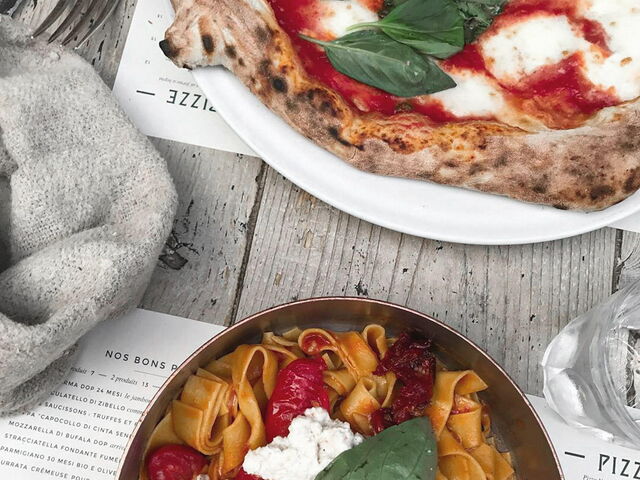
Are you on holiday in Italy and overwhelmed by the large number of first courses? Tortellini in broth, with parmesan cheese, pasta cacio e pepe, amatriciana, carbonara, and so forth. We may be biased, but we well understand your disorientation: Italian first courses are one better than the next. Given that when we go to a restaurant we too never know which pasta to choose, we have decided to draw up a ranking of the 4 most popular Italian first courses. Don't feel like going to a restaurant because you have booked one of our magnificent villas and want to make the most of the large kitchen? Don't worry, we have decided to give you a recipe for a perfect carbonara to replicate at home as tomorrow will be "Carbonara Day".
1. CARBONARA First prepared in 1944 in Rome's Vicolo della Scrofa, it has become an iconic dish of Italian tradition. The story goes that the cook had only a few ingredients at his disposal and had to prepare a satiating dish for the American soldiers. The result was the prototype of spaghetti alla carbonara: eggs, bacon (later guanciale) and cheese. Gradually the recipe evolved into the one we all know today and can enjoy at the homes of true (and voracious!) Roman friends, in trattorias as well as in the capital's starred restaurants.The recipe:- 320 g spaghetti- 5 yolks- 150 g guanciale- 70 g pecorino romanoPs. choose the right ingredients, parmesan cheese is not an ingredient in Carbonara.Preparation:1. Put a large pot with water on the stove and bring it to the boil2. In the meantime, dice the bacon and brown it in a non-stick frying pan. When it has released plenty of sauce, turn off the heat.3. When the water boils, throw in the spaghetti.4. While the pasta is cooking, beat the egg yolks with the pecorino cheese, pepper and the fat from the pork cheek from the frying pan. The mixture should have the consistency of a yoghurt, if too thick add cooking water in small doses.5. Transfer the guanciale to a plate and drain the pasta al dente in the frying pan with the guanciale sauce, cook over a medium flame for 1 minute.6. Remove the pan from the heat and leave it to cool for 1 minute.7. Add eggs and bacon8. Serve with a sprinkle of pepper
2. PASTA AL PESTO The recipe for pesto dates back to the mid-19th century. The ancient recipe is as follows: 'Take a clove of garlic, basil or, failing that, marjoram and parsley, grated Dutch cheese and Parmesan cheese mixed together, and pound it all in a mortar with a little butter until it is reduced to a paste. Then melt it with plenty of fine oil. Use this mixture to dress lasagne and gnocchi (trofie), adding a little hot water without salt to make it more liquid'. Are you curious to discover a modern-day recipe? Look forward to our next article. 3. PASTA AL POMODOROSimple, fragrant and always a guarantee. Pasta al pomodoro is the Italians' comfort food par excellence. Hungry kids coming home from school? Sudden hunger? Nothing a good pasta with tomato sauce and fresh basil can't solve.© Rebecca Taizzani
Read More

Cheese is one of the most beloved foods in the world. Whether you enjoy it on a cracker, melted on a sandwich, or on its own, there's no denying the appeal of this delicious dairy product. With so many varieties of cheese available, it can be hard to know where to start.
Why are we talking about cheese today?
Certainly for their goodness, but the main reason is because after the article published by Food Atlas, the rivalry between France and Italy became even more pronounced.
These two magnificent nations have always tried to excel and have found themselves clashing on several fronts.
Baguette or piadina? Nouvelle cuisine or spaghetti with tomato sauce? Zidane or Materazzi?
The battle thickens when it comes to cheese: who can determine whether Roquefort or Parmigiano is better?
Apparently Taste Atlas, an encyclopaedia of flavours, has deemed itself capable of making this decision, going even further and drawing up a ranking of the 10 best cheeses in the world.
Read on to find out which are the 10 best cheeses in the world.
1.Parmigiano Reggiano Parmigiano Reggiano is a world-renowned cheese that is considered to be one of the finest in the world. Made with raw, semi-skimmed milk from cows that graze on fresh grass and hay, it boasts a hard, gritty texture that is unique to this cheese. Its flavors range from nutty to robust and slightly piquant, depending on the length of time it has been matured.
2.Queijo Serra de Estrela Serra da Estrela cheese is a semi-soft cheese that is crafted from the milk of two distinct breeds of sheep - Bordaleira Serra da Estrela and Churra Mondegueira. The production process involves milking the sheep by hand and then heating, salting, and curdling the milk with thistle extract.
3. Burrata
Burrata, is an artisanal cheese hailing from the Puglia region of Southern Italy, specifically the provinces of Bari and Barletta-Andria-Trani. This cheese is handcrafted using cow's milk, rennet, and cream. The story goes that the cheese was invented by a cheesemaker named Lorenzo Bianchino Chieppa, who had the brilliant idea of creating a shell of stretched mozzarella strings and filling it with delectable, creamy goodness and smaller, leftover pieces of mozzarella.
4.Reblochon
Reblochon, a compressed cheese weighing around 500 grams, is crafted from unsterilized cow's milk and must age for no less than 15 days in the French provinces of Savoie and Haute-Savoie.With an ivory body enclosed by a yellow to orange rind, the rind of Reblochon is fit for consumption, and its flavour is redolent of nuttiness and slight fruitiness. The scent is potent and reminiscent of the cellars in which it was aged.
5.Stracchino
Stracchino di crescenza is an Italian cheese that is typically made with cow's milk, but it can also be made with water buffalo's milk. The texture of stracchino is creamy and buttery, so it's often used as a spread. The flavors are mild, fruity, creamy, and sweet.
6.Mozzarella di Bufala Campana
Genuine mozzarella di bufala campana can only be labelled as such if it's made entirely from domestic water buffalo milk and manufactured in the Campania region.
The exceptional qualities of buffalo milk, which is high in calcium and protein and low in cholesterol, make this mozzarella cheese a highly sought-after delicacy. Buffalo mozzarella is always packaged in brine, with a mild, slightly tangy flavour that complements a wide range of Italian antipasti dishes, particularly the classic Caprese salad.
7.Pecorino Toscano
This soft to semi-hard cheese is made with whole milk from sheep feasting on pastures nestled between the Apennines and the Tyrrhenian Sea. Compared to other varieties of Pecorino cheese, Toscano is only briefly salted and thus retains its delicate, sweet flavor.
8.Saint-André
St. André, a triple-crème cheese made from cow’s milk, is often referred to as the celestial cheese due to its divine flavour profile. This French delicacy hails from the region of Normandy, specifically Coutances. The cheese boasts a thick, creamy texture that lies beneath a velvety and edible rind. Its mild and rich aromas and flavours are best described as sour, tangy, buttery, and salty, creating an unparalleled sensory experience.
9.Crottin de Chavignol
Chavignol is a small cheese made from raw goat's milk that must weigh at least 60 grams. Its color is white or ivory and it has a dense, moist texture with a thin, moldy rind on the outside. The flavor of Chavignol is full, slightly nutty and 'goaty'.
10.Bundz
Bundz, a type of cheese originating from Poland, is crafted from the milk of sheep and is typically made in the mountainous areas of the country. The flavour and texture of this cheese are reminiscent of cottage cheese, offering a mild and fresh taste to the palate. Interestingly, the production of bundz also yields leftover whey which is utilised in creating a traditional Polish sour beverage known as żętyca.
Read More

The ski slopes in central Italy have just finished whitening, the temperatures have reached close to zero and the days are still short.Now you may be wondering what ice cream has to do with the cold season, you may be wondering why we are talking to you about ice cream in January.Oggi abbiamo deciso di scrivere un articolo sul gelato per due motivi: - To help you choose the best artisan gelato in Italy- Because it is never the wrong season for good ice cream
ARTISAN ICE CREAM: THE ORIGINS Artisanal ice cream is undoubtedly a dessert known all over the world, and numerous tales, verging between fantasy and legend, have been passed down over time around its origins. Tracing the origin of ice cream is not easy, as there are many historical testimonies and references to the ancient custom of preserving milk and food by freezing them. There are also several disputes that have arisen over the centuries to claim the frieze of the inventor of ice cream.Not going into details, we can say that the inventor of ice cream goes by the name of Bernardo Buontalenti, a Florentine architect with a passion for cooking. He invented a very creamy dessert made of milk, sugar, eggs, honey and wine in the 17th century.
Buontalenti's dessert is considered to be at the origin of ice cream, so much so that even today, this recipe - which took the name 'Crema Fiorentina' or 'Gelato Buontalenti' - is used as the basis for more modern ice creams.
HOW TO CHOOSE A GOOD ARTISANAL GELATO WITHOUT FALLING INTO TOURIST TRAPS? Here is a vademecum to keep in mind when entering an ice-cream parlour:- Avoid ice cream parlours that have mountains of ice cream on display, quantity does not correspond to quality very often.- The table of ingredients must always be present. Whether it is a clearly visible sign or a book, it must be available and consultable by the customer. It is synonymous with seriousness, respect for the law and transparency towards the customer.- The ingredients of the ice cream must be few and well understood, if you read strange names it means that the ice cream is rich in elements that make it ultra-processed.- Be wary of colours that are too bright (although nowadays you can find bad ice-creams with absolutely perfect colours), masses that are too shiny or too opaque (in which case it could be a product that is too full of fat or too old).- The consistency of the ice cream should only be assessed when tasting and not when serving. An ice cream that you notice is too hard and firm at the time of serving may turn out to be silky and melting when you taste it.
THE BEST ICE-CREAM SHOPS Now that you know what to look at to evaluate your ice-cream, here are some of the best Italian ice-cream parlours:Toscana
Gelateria della Passera | FIRENZE
Chiccheria | GROSSETO
De’ Coltelli | PISA
Dondoli | SAN GIMIGNANO [SI]
Sicilia
Cappadonia Gelati | PALERMO
Puglia
G&co | TRICASE [LE]
Are you ready to come and taste real homemade ice cream?
Book one of our villas, you won't regret it.
© Rebecca Taizzani
Read More
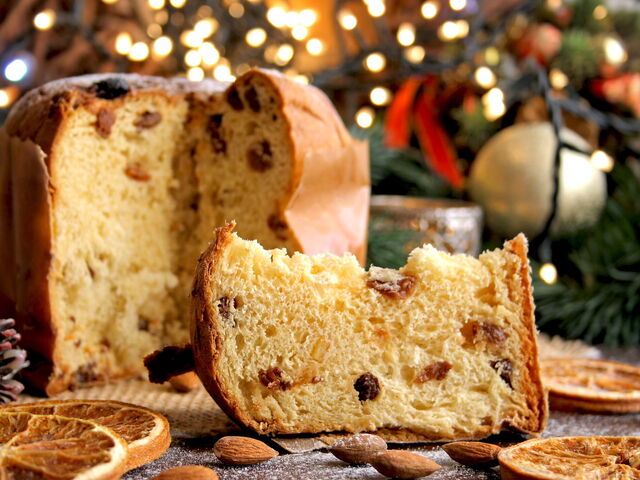
It's December, the Wham! song resounds through the streets (sabotaging your Whamageddon winnings), the shops are decorated, the squares lit up and you are looking for some presents.December is a month that exudes warmth (despite the cold weather), familiarity and conviviality. December in Italy means dinners with relatives, mulled wine while window shopping (be careful exaggerating, you might see double), afternoons in front of the fireplace, but above all: PANETTONE.Panettone is one of the typical Christmas sweets, but few people know its true history. In fact, the origins of this delicacy are lost in time and the birth of panettone is linked to numerous legends.
THE BIRTH OF PANETTONE ACCORDING TO LEGEND The most famous legend claims that panettone was born at the court of Ludovico il Moro, Lord of Milan, back in the 15th century. It was Christmas Eve when, during a banquet, the official cook of the Sforza family inadvertently burnt a cake. To make up for it, Toni, the scullery boy who worked in the kitchen, decided to use a loaf of yeast that he had kept aside for Christmas. He processed it by adding flour, eggs, sultanas, candied fruit and sugar, obtaining a particularly leavened and soft dough. The cake was appreciated so much that the Sforza family decided to call it 'pan di Toni'.However, this is not the only legend linked to this Christmas cake, because according to other stories it was invented by Sister Ughetta or Ughetto degli Atellani. The only certainty is that panettone originated in the Middle Ages and is linked to the tradition, which was in force at the time, of preparing very rich loaves of bread at Christmas, which were served by the head of the family to diners.
THE BIRTH OF PANETTONE ACCORDING TO HISTORICAL SOURCES1470: the first evidence of panettone. In a historical document, the 'rite of the log' is described: at Christmas, a large wooden log was put on the fire in every house and all the diners ate slices of wheat bread distributed by the head of the family, who kept one for the following year, as a good omen. That bread had, especially for the poor, a special value. In fact, bakers, except those who baked for the nobility, were forbidden to use wheat flour during the year as it was the prerogative of the rich.1549: Cristoforo di Messisbugo, a cook from Ferrara, lists the ingredients of a Milanese cake - flour, butter, sugar, eggs, milk and rose water - adding that it must rise well and be round in shape.1599: in the notes of a register of the Collegio Borromeo in Pavia concerning the expenses of the Christmas meal, there is mention of three pounds of butter, two pounds of sultanas and two ounces of spices that would be used to prepare '13 large loaves'.
1606: the first official definition of 'panaton', in the Milanese-Italian dictionary, is a large loaf prepared at Christmas.
1853: yeast is mentioned for the first time in the recipe for panettone, until then the cake had more the appearance of a focaccia.
1854: candied fruit is mentioned in the recipe for panettone and it begins to spread throughout northern Italy.
HOW TO CHOOSE THE RIGHT PANETTONE
The Classic Panettone has a few simple ingredients:Water Flour 0Salt
Fresh eggs and/or pasteurised yolks
Milk
Butter
Sugar
Candied fruit (especially orange and citron)
Sultanas
Vanilla
Natural yeast
"De gustibus non est disputandum" so feel free to choose a chocolate or pistachio panettone instead of one with candied fruit (my personal favourite is an artisanal Rhum and Chocolate panettone).
If you book one of our villas we can deliver the best panettone cakes in the area!What are you waiting for, there's still time!© Rebecca Taizzani
Read More