Archive for "Curiosities"
Planning a trip to Italy? Browse and read our useful and informative articles about the endless range of attractions and experiences in this lovely country.
Travel through the beauties of Italy with us. Visit our blog!
Dreaming of your next holiday but overwhelmed by the choice between private pools, Tuscan vineyards, and sun-drenched beaches? Don't worry! We have created this quick quiz to help you understand exactly which type of villa and destination best suits your desires. Answer the questions and discover the PosarelliVillas collection perfect for you!
The Questionnaire: Discover Your Travel Style
Choose the answer that reflects you the most and keep track of the corresponding letter (A, B, or C).
1. How many people will be in your travel group?
A. A couple or a small family (up to 6 people). We are looking for intimacy.
B. Extended family or a group of friends (8-12 people). We want common spaces and privacy.
C. Large group or special event (14+ people). The more space and bedrooms, the better!
2. What is your absolute priority?
A. Culture, history, and food & wine. I want to visit villages and eat well.
B. Relaxation and total disconnection. I want to spend all day by the pool enjoying the peace.
C. Fun, sea, and activities. I'm looking for beaches, water sports, and nightlife.
3. What scenery would you like to wake up to?
A. Tuscan or Umbrian hills, with vineyards, olive groves, and a medieval village.
B. A vast and untouched landscape, perhaps in the countryside of Southern Italy.
C. The blue Mediterranean, white houses, and the beach just a few minutes away.
4. How do you imagine your perfect "home base"?
A. A rustic farmhouse with a fireplace, in a traditional but elegant style.
B. A luxurious villa, infinity pool, private park, and every modern comfort.
C. A modern and bright villa, clean design, and a panoramic terrace on the coast.
Your Results
Majority of A: The "Eno-Cultural" Traveler
History Awaits: Villas Immersed in Tradition and Flavor
You are looking for a holiday that feeds the mind and the palate. You love art and authentic flavors. For you, the perfect holiday is a mix of exploration and traditional comfort.
What awaits you: Proximity to iconic villages, culinary experiences, and the timeless atmosphere of stone farmhouses.
Discover Villas A
Majority of B: The "Luxury & Privacy" Traveler
Luxury is the Destination: Absolute Privacy and Unmatched Comfort
Your holiday is synonymous with retreat and luxury. You want a large villa with a spectacular pool and total privacy, where every detail is five-star.
What awaits you: Infinity pools, private estates, and extra services like a private chef in our Exclusive Estates.
Discover Villas B
Majority of C: The "Mediterranean & Active" Traveler
Sun, Sea, and Outdoor Living: Your Villa Steps from the Coast
Your heart beats for the Mediterranean! You dream of salt air, sun, and the convenience of quick access to the sea and vibrant coastal life.
What awaits you: Bright coastal villas, large panoramic terraces, and the sea breeze every morning.
Discover Villas C
Don't have a clear majority?
If your answers are mixed, it means you are a traveler who loves combining different elements! Contact us and our team will help you create a tailor-made itinerary.
Contact our experts
Read More

November 28, 2025
Tuscany Unfiltered: Exploring Tuscan Craft Beers Across the Region
Tuscany is renowned worldwide for its exquisite wines and rolling hills, yet a thriving craft beer scene is emerging, setting new trends across the region. In recent years, local breweries have captivated beer lovers, bringing a breath of fresh air and innovation to a landscape long dominated by wine. Drawing on abundant local ingredients and inspired by historical recipes, Tuscan beer artisans craft unique varieties that reflect the region’s history and culture. As a result, Tuscany is now recognized not only for its wine but also as a destination for remarkable beers worth discovering.
In this article, you will learn more about the following topics:
A brief history of beer production in Tuscany
Beer and tourism
What is Tuscan craft beer?
What are the main ingredients of a craft beer?
Which are the top 5 Tuscan craft beers??
Tuscan Beer
The history of beer in Tuscany dates back to ancient times, when the Romans enjoyed fermented grain beverages. In the Middle Ages, monasteries played a key role, developing brewing techniques that kept beer alive.
However, for centuries the brewing tradition remained in the shadow of Tuscany's renowned wine. Over the past fifteen years, craft beer in Italy has surged in quality, transforming from a niche pursuit into a major force in the national agri-food sector.
Historically linked with wine, Tuscany has revived its brewing heritage, supported by research from the University of Florence and initiatives like the HOPS-TUSCANY project, which aims to cultivate high-quality hops for local craft beer production. This has broadened Tuscany's agricultural resources and enabled shorter, sustainable supply chains connecting producers and consumers.
Beer and Tourism
With a focus on sustainability and innovation, Tuscan craft beer is poised to write a new chapter in the region's history, blending tradition with modernity to offer a unique, authentic experience.
PosarelliVillas invites you to stay in comfortable surroundings nestled in nature, just a short distance from many small breweries that offer tours and tastings in Tuscany's most beautiful areas:
Cantina Errante, near Barberino Val d’Elsa.
Birrificio Valdarno Superiore, in the area around Arezzo.
Birrificio Agricolo, in Peccioli.
Bausbeer in Vinci.
Vaporidibirra , in Casteluovo Val di Cecina.
What is Tuscan craft beer??
Tuscan craft beer refers to beers produced by small, independent microbreweries in Tuscany that do not use pasteurisation or microfiltration and often produce only up to around 200,000 hectolitres per year. Characteristic features include local ingredients such as barley from Val d'Orcia and Mugello, and traditional methods such as spontaneous fermentation and maturation in wooden barrels. Agribirrifici, where most of the raw materials are produced on the premises, are becoming increasingly popular – an expression of regional identity and quality.
What are the main ingredients of a craft beer??
Due to its local and non-industrial nature, one of the fundamental characteristics of a craft brewery is its close connection to the production area and the products that characterise that area. Beer consists of several key ingredients.
The main ingredients are:
Water, the quality of which is crucial to the success of a first-class beer.
Malt, which provides sugar and flavour. Barley is the most commonly used grain, but other grains, including ancient grains, are also used. The grain is germinated and dried to produce malt. The use of ancient Tuscan grains strengthens the beer's connection to its geographical origin and local biodiversity.
Hops, which provide bitterness, aroma and shelf life. Native Tuscan hops tend to be richer in bitter compounds, aromatics and polyphenols than many commercial foreign varieties and are often better adapted to local conditions.
Yeast, which determines fermentation and contributes to aroma.
Moreover, there are additional ingredients that are indispensable but often “invisible”: besides malt, other grains such as spelt and oats can also be used. A few years ago in Tuscany, an ancient grains revival surfaced, the remains of which were found by bioarchaeologists in Val d'Orcia: charred seeds of the genus Triticum, including T. monococcum (einkorn wheat), as well as oats, barley and other very ancient grains.
Finally, there are the so-called special ingredients, which give the products their uniqueness and drive the continuous search for new flavours. These are ingredients that each brewery adds according to its own recipes: fruit, spices, peel, herbs or wood to achieve distinctive aromas.
What are the five best Tuscan craft beers??
The variety of breweries offering red, blonde, dark, double malt, non-alcoholic, gluten-free beers and special flavours is vast. To highlight excellence, we present the winners of the Beer of the Year 2025 competition, organized by Unionbirrai. Tuscan beers won a total of six awards. Here are the standout performances:
Big One (Calibro22 Brewery, Figline Valdarno, Florence) in the category “Light and amber beers, top-fermented, medium alcohol content, hoppy, American-inspired (American IPA)”.
Rye Stout (La Collina Trattoria & Birrificio Artigianale, Pescaglia, Lucca) in the category “Dark beers, top-fermented, low alcohol content, American-inspired (American Porter, American Stout)”.
La Mancina (Birrificio del Forte, Pietrasanta, Lucca) in the category “Light beers, top-fermented, high alcohol content, Belgian-inspired (Belgian Golden Strong Ale, Tripel)”.
Smoky Trip (Topta Brew Pub, Montecarlo, Lucca), special mention in the category “Light, amber and dark beers, top-fermented or bottom-fermented, with low to high alcohol content, smoked and peated”.
Marron (La Petrognola, Piazza al Serchio, Lucca), special mention in the category “Light, amber and dark beers, top-fermented or bottom-fermented, with low to high alcohol content, using chestnuts”.
Discover below 5 villas in the vicinity of the best microbreweries in Tuscany:
Read More
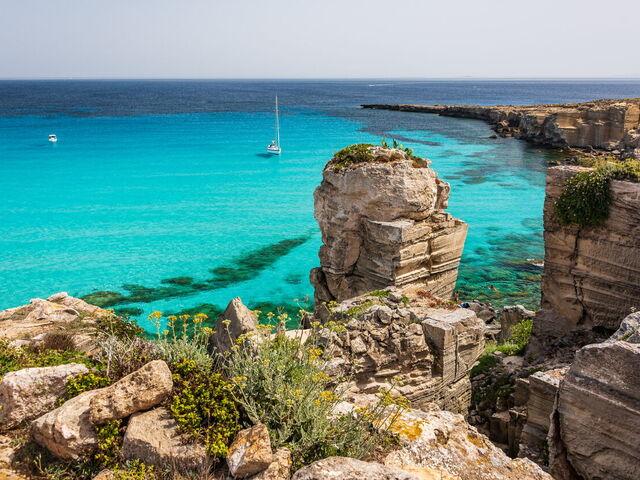
Just a few kilometres off the western coast of Sicily lies an island where time seems to slow down and beauty reveals itself in every shade of blue. Favignana, the largest of the Egadi Islands, is still an authentic gem – a place where unspoilt nature, tradition and understated luxury come together in perfect harmony.
Why choose Favignana
Favignana is the ideal destination for those seeking to disconnect from daily chaos and rediscover the value of simplicity and silence – without compromising on comfort. Its beaches are among the most beautiful in the Mediterranean: Cala Rossa, Cala Azzurra and Lido Burrone are just some of the stunning bays you can explore, swimming in crystal-clear turquoise waters.
The island is made to be experienced slowly: by bicycle or by boat, through wild landscapes and secret coves, blazing sunsets and authentic flavours. The cuisine is another reason to visit Favignana: fish couscous, bottarga, bluefin tuna and traditional sweets tell the story of a people deeply connected to the sea.
Experience Favignana with Posarelli Villas
To fully enjoy the magic of the island, Posarelli Villas offers a selection of charming villas nestled in Mediterranean tranquillity, equipped with every comfort and perfect for couples, families or groups of friends. Each villa is an exclusive retreat where you can unwind after a day at the beach, enjoy a dinner under the stars, or simply be lulled by the sound of the sea. Take a look at Tenuta Stornello or Villa Partenope.
A final curiosity: Favignana becomes a film set
In recent months, Favignana has taken centre stage on the big screen: the island has been selected by director Christopher Nolan as one of the main locations for his new film, "The Odyssey", an epic adaptation of Homer’s poem.
The cast is truly stellar: Matt Damon stars as Odysseus, alongside Anne Hathaway, Tom Holland, Zendaya, Robert Pattinson, Charlize Theron and Lupita Nyong’o. Filming is taking place across some of the island’s most iconic spots, such as Cala Rossa, Cala Azzurra, Cala del Bue Marino and the Castello di Santa Caterina. According to some theories, these very coasts may have inspired the original journey of Odysseus.
Beyond the Hollywood glamour, the production has also involved the local community, offering opportunities and visibility to the island’s residents. A truly unique occasion for those visiting Favignana this year: while strolling through town, you might just encounter a modern-day Odysseus… or an active film crew.
Book now
Now that we've shared all our secrets, all that’s left is to book your stay! Send an email to booking@posarellivillas.com or contact us via chat.
The Posarelli Villas team awaits you.
© Rebecca Taizzani
Read More
In a world increasingly driven by environmental consciousness, luxury travel is evolving to embrace sustainability. Posarelli Villas is proud to lead this transformation, offering exquisite sustainable villas in Italy and Greece that perfectly balance elegance and eco-consciousness. Whether you’re dreaming of the Tuscan hills, the olive groves of Puglia, or the sun-drenched coasts of Corfu and Crete, your holiday can now align with your values.
Sustainable Tourism: The New Luxury
The tourism industry is undergoing a significant shift as travelers prioritize sustainable practices. According to recent statistics, over 80% of tourists prefer eco-friendly accommodations, and more than 70% are willing to pay extra for sustainable travel options. At Posarelli Villas, we’ve embraced this movement, curating a collection of villas designed to reduce environmental impact while delivering an unparalleled luxury experience.
Sustainable tourism isn't just a trend; it's a way of traveling that connects you with local cultures, reduces your ecological footprint, and ensures a better future for the planet.
Discover Our Sustainable Villas
At Posarelli Villas, sustainability goes beyond green initiatives—it’s about creating meaningful experiences in harmony with the environment. Here are some of our standout eco-friendly accommodations:
Villa Serenissima, Corfu: This stunning retreat reduces waste by providing potable water directly from the taps, eliminating the need for plastic bottles. Located in Corfu’s serene countryside, it’s a perfect blend of luxury and responsibility.
Villa Bluewhite, Crete: Nestled in the picturesque village of Pláka, this villa features an organic garden where guests can pick fresh produce, offering a true farm-to-table experience.
Villa Lucy, Crete: Solar panels power this eco-retreat, located in Plataniás. The villa showcases how renewable energy can seamlessly integrate into luxury living.
Regions Where Luxury Meets Sustainability
From the rolling hills of Tuscany to the crystal-clear waters of Crete, our sustainable villas offer unique experiences in some of the world’s most enchanting destinations:
Tuscany and Umbria: Indulge in biodynamic wine tours and stay in villas designed with locally sourced materials that honor traditional architecture.
Puglia and Sicily: Explore centuries-old olive groves and enjoy the slow pace of life in villas equipped with water-saving systems.
Corfu and Crete: Immerse yourself in Greek island charm with villas that embody eco-conscious luxury, offering solar power, organic gardens, and local partnerships.
The Posarelli Way: A Philosophy of Sustainability
At the heart of our work lies the Posarelli Way, a commitment to enhancing the guest experience through local expertise, authentic connections, and respect for the environment. Most villa owners are locals who know and love their land, ensuring every detail reflects the culture and traditions of the region. By choosing Posarelli Villas, you’re not just booking a holiday—you’re supporting local economies and preserving cultural heritage.
Why Choose Sustainable Villas?
When you choose sustainable villas in Tuscany, Greece, or other regions, you’re not just opting for a luxurious stay—you’re making a meaningful difference. Here’s what sets our eco-friendly properties apart:
Authentic Experiences: Enjoy locally sourced food, guided tours with experts, and cultural immersion.
Comfort with a Conscience: Our villas combine modern amenities with eco-friendly innovations, from solar panels to water conservation systems.
Positive Impact: Your stay contributes to local economies and supports sustainable development initiatives.
Plan Your Eco-Friendly Getaway Today
Experience the perfect harmony of luxury and sustainability with Posarelli Villas. Book your stay in one of our sustainable villas in Italy or Greece and transform your next holiday into a journey of purpose and elegance.
Ready to embark on a sustainable travel adventure? Visit Posarelli Villas now and secure your eco-friendly accommodation in the heart of Italy or Greece. Discover how traveling responsibly can be both rewarding and unforgettable.
}
.sustainable-article header {
text-align: center;
margin-bottom: 20px;
}
.sustainable-article img {
display: block;
width: 100%;
max-width: 800px;
height: 400px;
margin: 20px auto;
object-fit: cover;
border-radius: 5px;
}
}
.sustainable-article ul {
padding-left: 20px;
list-style: disc;
}
.sustainable-article h2 {
margin-top: 20px;
}
.sustainable-article a {
text-decoration: none;
}
.sustainable-article a:hover {
text-decoration: underline;
}
Read More
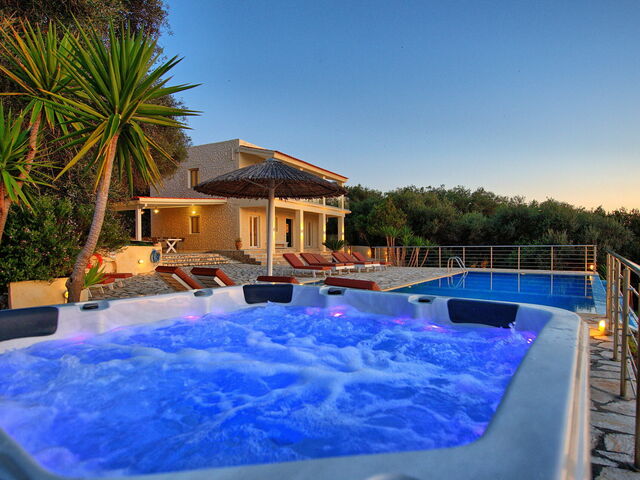
Do you think that saving money on your holiday necessarily means giving up fun and relaxation? We disagree!By following these tips you can enjoy a wonderful summer holiday without emptying your wallet. Happy reading and have a great trip!
With these simple but effective tips, we want to overturn all popular beliefs and give you effective advice on how to save money when you book your holiday.
NEWSLETTER1. Sign up for newsletters: very often people tend to think that newsletters only serve to fill the mailbox with spam messages, without any utility. For Posarelli Villas this is not the case!
By clicking on the popup that appears as soon as you enter our site you can subscribe to the newsletter to receive our discount codes. Almost monthly we send last minute offers, promotions to use in our Villas and discount codes. For example, for the whole month of May we have created a code valid on all the properties in our programme!
TOURISTIC BUT NOT TOO MUCH2. Choose destinations that are not too touristy: when one speaks of Greece, one immediately thinks of the whitewashed streets of Mykonos, but for some years now the prices have been exorbitant. With much lower prices and more authentic experiences to offer are the islands of Crete and Corfu. Book one of our villas to discover the real Greece and bathe in pristine crystal-clear waters.Are you also interested in nightlife? Both islands offer plenty of alternatives for your evenings out: from seaside clubs in Ipsos to typical bars in Chania.
LOCAL AGENCIES NO PORTALS3. Steer clear of portals: Airbnb and Booking are the most popular tools for short-term rentals, but did you know that prices are at least 15% higher? By booking your villa directly with us, you will be able to save a fair amount of money. In addition, our team is always available to guide you in your choice and answer all your questions.
FLEXIBILITY4. Flexible dates: prices vary depending on the season, usually in low season you can find prices discounted by almost 50% and take advantage of the calm and tranquillity the place has to offer. By avoiding peak periods such as August bank holiday, long weekends and national holidays you will be able to find villas at great prices.
LUNCH AND DINNER5. Food and drink: Eating in restaurants every day can significantly increase the cost of your holiday. Try to save on food and drink by opting for solutions such as chefs on wheels and cooking classes!Now that we have told you all our secrets, all you have to do is book!
The Posarelli Villas team is waiting for you. © Rebecca Taizzani
Read More
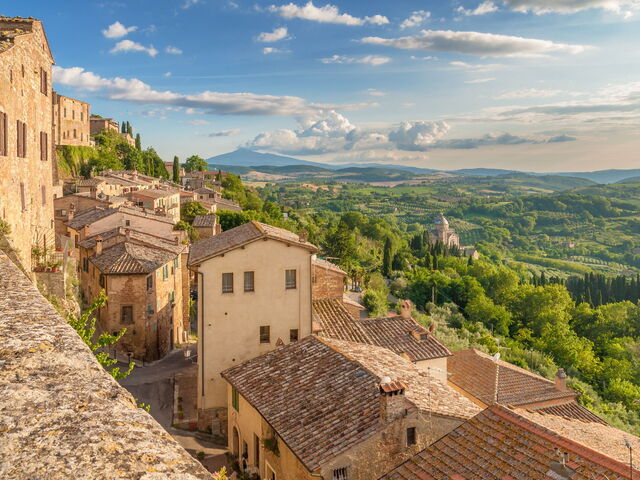
When Edward, the eternal seventeen-year-old vampire, believes that Bella has taken her own life, he decides that the best thing to do is to seek death in his turn at the hands of the Volturi, a lineage of very powerful vampires, rooted, according to the author of the Twilight Saga, in the city of Volterra. This is one of the most delicate and gripping phases of the plot of New Moon, the second chapter of one of the most widely read and, above all, seen sentimental stories on film, born from the pen of Stephanie Meyer."There's Volterra!" says Alice Cullen in her yellow Porsche as soon as she sees the outline of the town where the Volturi live. In reality, that village with its narrow alleys winding uphill is Montepulciano.The setting, part Canadian and part Italian, has been able to enhance one of the most beautiful towns in our country, Montepulciano in the province of Siena, drawing attention also to Volterra, the protagonist in the book but not in the film shot in 2009 by director Chris Weitz. The reasons are to be found in the photographic and symmetrical rendering offered by Montepulciano, considered better for the film than the Pisan Volterra.The places chosen as the setting were Piazza Grande and the surrounding buildings, in particular the Palazzo Comunale.To this day, the places listed above are among the most visited by tourists thanks to the fame they gained after the filming.
A BRIEF HISTORY OF MONTEPULCIANOMontepulciano is a town in Tuscany, Italy, famous for the production of high quality wine, in particular Vino Nobile di Montepulciano. The town has a history dating back to Etruscan times and was subsequently ruled by various Italian kingdoms and city-states. During the Renaissance, Montepulciano saw a period of great artistic and cultural development, which led to the construction of numerous churches, palaces and works of art. Today, Montepulciano is a popular tourist destination offering visitors an authentic experience of Tuscan culture, with its medieval architecture, delicious local cuisine and famous wine production.
TWO DAYS IN MONTEPULCIANOHere is a possible two-day itinerary:Day One1. Start the day with a visit to Piazza Grande, the heart of Montepulciano's historic centre, where you can admire the splendid Renaissance architecture and enjoy panoramic views over the Val di Chiana.2. Visit the Cathedral of Santa Maria Assunta, an important example of Gothic architecture with works of art by local artists.3. Proceed to the Church of San Biagio, a 16th-century church located a few kilometres from the historical centre of Montepulciano, famous for its Greek cross-shaped architecture and red and white marble decorations.4. After lunch, visit the cellars of Montepulciano to taste Vino Nobile, the area's typical wine. Write to us to organise your Wine Tasting.Day Two1. Start the day by visiting the Temple of San Francesco, a former Gothic church converted into a contemporary art museum.2. Proceed to the Palazzo Contucci, a Renaissance palace housing the Civic Museum and Art Gallery, where Renaissance and Baroque works of art can be admired.3. Climb the Pulcinella Tower for a panoramic view of the city and its surroundings.4. Have lunch in the villa you have booked through Posarellivillas and enjoy dishes created by a private chef. The menu includes typical dishes such as ribollita or Florentine steak.© Rebecca Taizzani
Read More
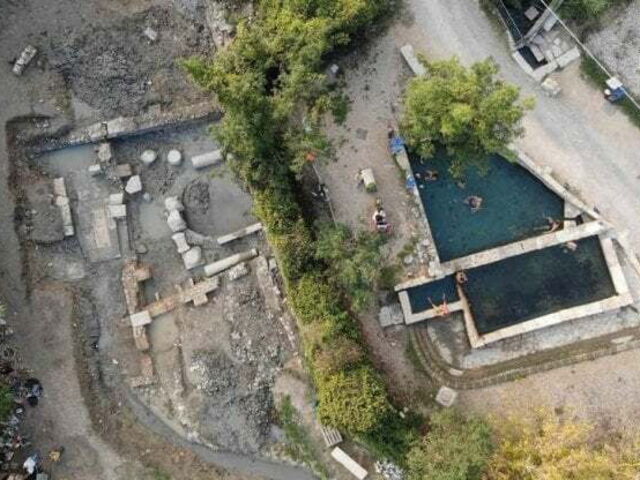
San Casciano dei Bagni is a small jewel of the Senese countryside: castles, villages such as Celle sul Rigo and Palazzone, gastronomic tradition (pici are born right here), gullies, no less than forty-two thermal springs at a temperature of 40 degrees . But all this did not seem to be enough for the beautiful Tuscan village. On 8 November, one of the most important discoveries after the Riace Bronzes was made among the stones of Bagno Grande: the discovery of 24 statuettes and thousands of coins. Gods, matrons, children and emperors are just some of the subjects of the statuettes that have been sleeping peacefully for 2300 years in the boiling water of the sacred baths of San Casciano dei bagni.
WHERE?
Photo Credit to Ministero della Cultura The statues were found in the Vasca Sacra or Santuario Ritrovato of the Bagno Grande at San Casciano dei Bagni. The sanctuary, conceived in the early imperial period, consists of a porch, a basin, a spring on different levels and a central arch. The site has been a point of archaeological interest for several years (it is mentioned in studies dating back to 1800). The archaeological excavations that led to the recent discovery began in the summer of 2020 and have seen several campaigns.
Photo Credit to Ministero della CulturaWHAT ? During the 6th excavation campaign, 24 toreutic masterpieces dating between the 2nd and 1st centuries BC and five thousand gold, silver and bronze coins were found from the bottom of the pool. The statues were made from life or according to the canons of the so-called mensura honorata, i.e. three Roman feet high (the equivalent of about one metre), and depict the deities worshipped in the sacred place together with the ancient dedicators. The statues, dedicated to the divinity of the spring and in perfect condition, are not only a treasure of inestimable value, but also a testimony (thanks to the engravings in Latin and Etruscan) to the coexistence of the Etruscan and Roman civilisations at the time: a coexistence that outside the sanctuary was known as conflict. The findings are therefore a testimony to a unique multicultural and multilingual context of peace, surrounded by political instability and war. The statues were presumably placed on the outer rim of the large sacred pool and anchored on the elegant travertine blocks. On several occasions later, the statues were detached from the edge of the pool and deposited at the bottom. It can therefore be deduced that this was not a dumping of sacred material into the hot water, but a ritual deposition, mediated with the deity. The votive acts continued until the 4th century AD with the deposition of almost six thousand coins (in silver, bronze and gold). Only at the beginning of the 5th century AD was the sanctuary dismantled and closed.
Photo Credit to Ministero della CulturaWHO? The excavation was co-ordinated by Prof. Jacopo Tabolli of the University for Foreigners of Siena and directed in the field by Dr. Emanuele Mariotti on behalf of the Municipality of San Casciano dei Bagni; the protection was directed by Dr. Ada Salvi of the Superintendence of Siena Grosseto and Arezzo. The excavation campaign was entirely financed by the Municipality of San Casciano dei Bagni and was supported by contributions from international companies and foundations (Ergon, Heureka Ambiente, Vaseppi Trust, Friends of Florence Foundation, Max Ulfane). Conservation and restoration are conducted by Dr. Wilma Basilissi of the Central Institute for Restoration in collaboration with Dr. Pozzi of the Soprintendenza Archeologia, Belle Arti e Paesaggio for the provinces of Siena, Grosseto and Arezzo. The Nucleo Carabinieri Tutela del Patrimonio Culturale (Carabinieri Department for the Protection of the Cultural Heritage) in Florence also assisted the scientific direction of the excavation in the security operations of the excavation site and the finds.
Photo credit to Ministero della Cultura WHY ? We told you about this surprising discovery because a museum will soon be opened where the archaeological finds can be viewed, an unmissable opportunity .The good news? We have several villas just a few kilometres from San Casciano dei Bagni where you can relax after a day of discovery and culture. If you want to stay almost in the centre of San Casciano, we recommend our Villa Gualchiere and Villa Danilo, which are only two kilometres away. If, on the other hand, a greater distance is not a problem for you (we are talking about 4 km) we recommend Villa Lucarella.
© Rebecca Taizzani
Read More
Menorca: an earthly paradise that emerges from the Mediterranean Sea. Often underestimated, this island belonging to the Balearic archipelago has nothing to envy to its sisters Ibiza and Mallorca. Indeed, Menorca has wonderful treasures to offer that you probably don't know about!
In addition to its wonderful coves, splendid beaches and unforgettable sunsets, Menorca embodies all those characteristics that make it a perfect holiday destination, especially in case you dream a stay dedicated to peace and simplicity.
To discover all the curiosities about the island of Menorca, keep reading our article and start planning your holiday on this beautiful island in the Mediterranean Sea.
THE TALAIOTIC CULTURE
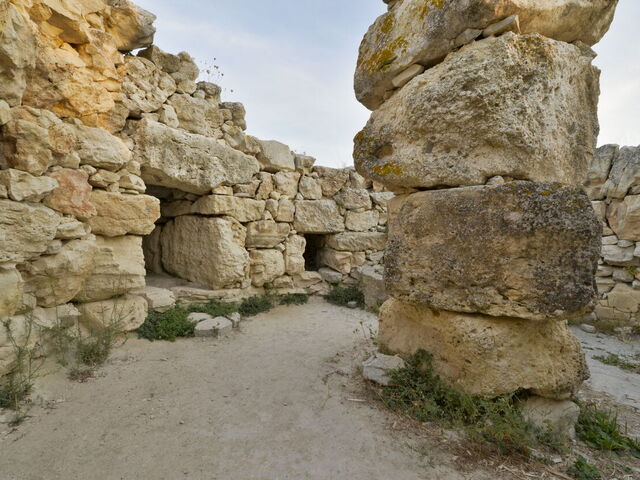
Originating between the Bronze Age and the Iron Age, the culture of the Talayot civilization is the distinctive sign of the Balearic Islands, especially Menorca, which with its particular architectural constructions knows how to amaze the most curious visitors and tourists. Typical of the Talayotic culture are the navetas, talayots, taulas and necropolis, with their characteristic circular stone structure. In the Talayotic civilization can be identified various social stratifications, with differentiations of rank that allowed or not access to common resources. Furthermore, it seems that the Balearics were related to the Balari, a nuragic people inhabiting the North-West Coast of Sardinia: the affinities, as well as being architectural, are also linguistic.
POC A POC LIFESTYLE
If you say Menorca, you say relax. In fact, the inhabitants of Menorca are recognized and appreciated by visitors for their affable character, calm and hospitality. Their motto is to live a life "poc a poc": slowly, away from the hustle and bustle, in order to enjoy the present moment to the fullest. Their coffee breaks at the bar can last for hours, as can their lunches. They prefer to go to the sea around sunset or rest under the pine forests near the beaches. In the morning they have the custom of going fishing and on weekends they are great lovers of equestrian competitions. A further sign of the poc a poc lifestyle are the numerous footpaths that cross and surround the island.
THE 7 LIGHTHOUSES OF THE ISLAND
Among the beauties that the island of Menorca offers there are also its magnificent lighthouses, located in different areas of the island, three of which in Ciutadella. Until recently, these were inhabited by families who kept them and took care of them, while now that they are uninhabited they can be visited safely. From each lighthouse it is possible to admire a splendid and unique panoramic view of the surrounding nature, especially the Cavalleria Lighthouse is the perfect spot to appreciate breathtaking sunsets! The other other lighthouses on the island are Favàritx Lighthouse, Punta Nati Lighthouse, Aire Island Lighthouse, Isla del Viento Lighthouse, Cap d'Artrutx Lighthouse, Sa Farola Lighthouse.
THE WRECKERS
The island, especially near its Northern Coast, has been the site of numerous shipwrecks throughout history. These tragic events are told of events since 1475, but the most famous shipwreck that occurred on the jagged coasts of Menorca is certainly that of the French ocean liner General Chanzy, dating back to 1910 in Cabo Bajolì, where the Punta Nati Lighthouse was later built. This tragic event gave its name to the inlet where the boat sank, since then called Cales Morts (The Dead's Bay).
STELLAR RESERVE
Not just a destination for inveterate vacationers, nature lovers and adventurers. Menorca is also the perfect location for those who practice astrotourism! Thanks to its very low level of light pollution and the particularly pure air of the island, Menorca was named Stellar Reserve in 2019, thus confirming itself as one of the places best suited on the planet to observe the stellar vault in all its splendor. For this occasion, specific areas of the island have been identified and special hotels and structures have been set up in order to fully appreciate the night sky.
What are you waiting for to plan your holiday on the Island of Menorca? For a dream stay, we recommend that you book one of our villas in Menorca!
Read More
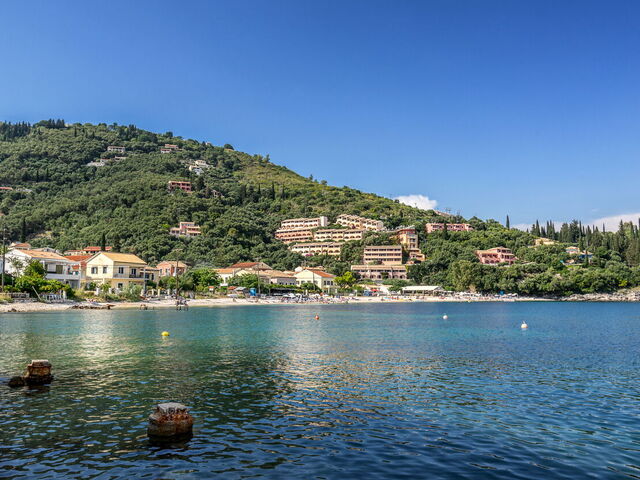
The Durrells is a magnificent TV series on air since 2017, produced by Sid Gentle Films and Masterpiece and which made the whole world discover the beauties of a Corfu of the past, when there were still no holiday villages, discos and luxurious clubs on the beaches of the island.
The series is in fact set starting from 1935, when an entire family with British origins decides to change their lives and move to Corfu. The progenitor of the Durrells, however, died during the war, so Louisa, the mother, has to face a series of events that take place between the tragedy and the comedy together with her children and the inhabitants of the island, still unaccustomed to foreigners.
Did you know the Durrells really existed? The Durrells, indeed, is the television reinterpretation of the trilogy of autobiographical books "My Family and Other Animals Birds", "Beasts, and Relatives" and "The Garden of the Gods" written by the real Gerald Durrell, a British naturalist, zoologist and explorer who lived in Corfu with his family between 1935 and 1939. Compared to the book and fiction, however, the eldest son had already moved to Corfu with his wife a few years earlier and was then joined from his family.
The house where the daily life scenes of the Durrells are filmed has become a tourist spot and is known as the "White House" of the Bay. It still exists and is super requested to stay!
The locations on the island where the series was filmed are mainly Kalami, Agni Beach, Corfu Town and Danilia, all located in the northern part of Corfu.
If you want to spend a stay in the same locations as the Durells, take a look at our Villas in Corfu as Villa di Giovanni!
SEE OUR HOLIDAY RENTALS IN CORFU
CORFU
Corfu is the second largest island of the Ionian archipelago after Kefalonia. The island is known for its lively nightlife and its dream beaches, which frame the crystal clear water of the Ionian Sea. Few people know that it was under Venetian, French and English rule, before the island became part of Greece in 1864 and therefore hosts architectural examples attributable to each of its governments, making it a destination suitable for all types of travelers!
Its villages and its nature are certainly destinations to go to as an alternative to the aforementioned paradisiacal beaches.
Take a look at our travel tips and search for the right one for you!
Old Perithia: a Charming Ghost-town In Corfu.
Where To Stay In Corfu: 5 Travel Tips.
7 Beautiful Places You Need To See In Corfu.
Read More
October 22, 2020
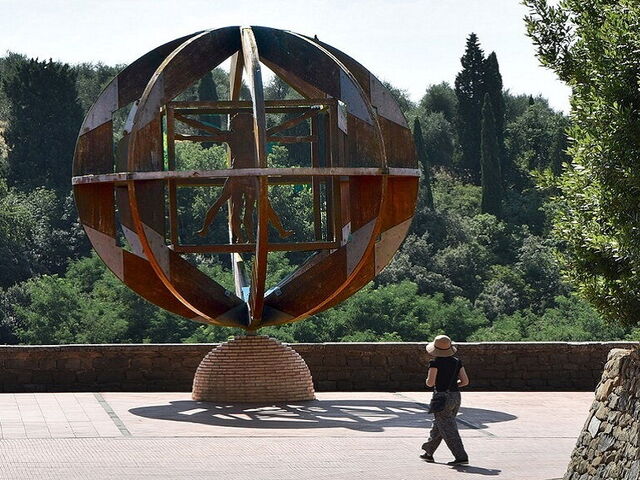
Leonardino Route: in the Footsteps of Leonardo da Vinci
Did you know that in the heart of Tuscany there is a wonderful nature trail that retraces the footsteps of Leonardo da Vinci?
Passing from Vinci, Anchiano and Montevettolini, which are the places where the artist spent his life, the Leonardino path was inspired by a drawing made by Leonardo in 1473, which depicted a view from the oratory of Santa Maria della Neve in Montevettolini.
There are two paths: one is called "the high path" and passes through the Montalbano ridge for a total of 17 kms, while the "low path" crosses the marshy area of the Padule and continues for a total length of 19 km. Passing through some of the most beautiful places in the Tuscan countryside, these paths allow you to discover hidden beauties and landscapes which are often ignored by popular itineraries. Ideal for people of all ages, they can be covered by foot in 5-6 hours or by mountain bike in 2-3 hours.
Would you like to know more? Discover more about the Leonardino road and start organizing your tour following the footsteps of the Tuscan genius!
The first route passes through some places of great historical value. It starts from Anchiano, where Leonardo's birthplace is located: he was born here on April 15, 1452 and the house remained in the possession of his until 1624. The road then continues towards Sant'Amato, it crosses the "Path of the Ancient Mills" and the remains of a wall of the Barco Reale, which is the name of a construction commissioned by the Medici Family to protect the game of Montalbano. Then, you arrive at Costareccia, the place where one of the family properties was located, and continue towards Orbignano. In this small village there is the Church of Santa Maria al Pruno, which preserves a wooden statue of the Madonna which was found abandoned in the midst of brambles after a theft, according to a legend. The route continues towards Lamporecchio, where you can visit the Pieve di Santo Stefano and see the marvelous terracotta altarpiece from 1524, made by Giovanni Della Robbia. Later, the route passes through Larciano, a village dominated by the tower of a fortress, as well as through the medieval village of Cecina, finally reaching Montevettolini. In this locality, the Medici built a villa in 1597 that dominates the whole valley!
The second route best enhances the natural beauties of the place and starts from Anchiano to continue towards the Church of Santa Lucia, which is considered Leonardo's place of baptism. From here, it continue towards the Torre di Sant’Alluccio, where the saint created a hospice for pilgrims during the Middle Ages and where you can also enjoy a splendid view of Valdarno and the plain of Pistoia. On the ridge road, there is also the Abbey of San Baronto, which was an important stopping place for Medieval pilgrims. You will also come across the remains of the Barco Reale, a wonderful hunting bandit commissioned by the Medici between the 16th and 17th centuries, where the game was raised and kept. The wall was interspersed with gates and today it is still possible to see one of the floodgates used for the flow of water. It is a splendid place that should not be missed! Other places you must see are the church of Santa Maria Assunta in Faltognano and the 17th century Cappella del Barco, which are located near this path. Finally, you reach Montevettolini , where you can fall in love with the beauty of the Medici Villa.
Are you ready for your itinerary retracing the steps of Leonardo da Vinci? Book now one of our properties near Vinci, such as Nicola, Il Sole di Vino and Villa Nora, and get ready to discover the beautiful places of Leonardo's life!
Read More