
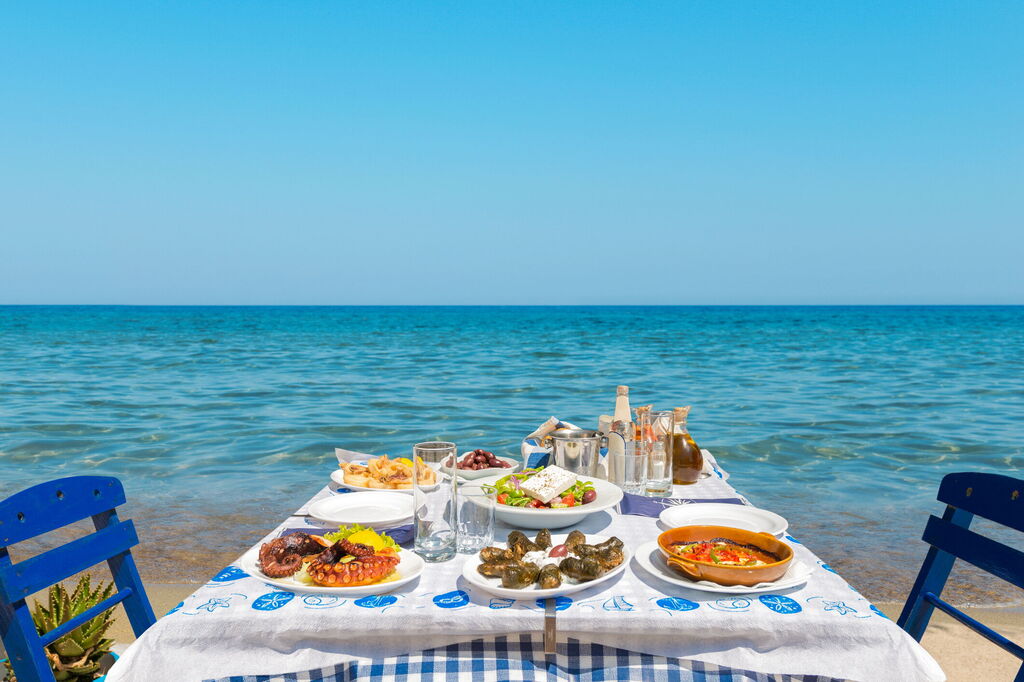
According to TasteAtlas, Greek cuisine ranks second among the best cuisines in the world, surpassed only by Italian cuisine. This recognition captures the true culinary spirit of the country: Greek gastronomy stands out for an apparent simplicity that is in fact based on high-quality ingredients and a strong focus on seasonality.
Food culture in Greece goes far beyond simple nourishment. It represents sociability, tradition, and a deep connection to the local region. Fresh products, regional specialties, and time-honored recipes come together in an authentic culinary experience that invites visitors to immerse themselves in the Mediterranean lifestyle and turns every meal into a special moment.
For those planning an unforgettable vacation, there is another noteworthy highlight: the island of Crete has been recognized by TasteAtlas as one of the world’s leading gastronomic travel destinations. This recognition is not driven by passing trends, but by a deeply rooted and authentic food culture that has shaped everyday life on the island for generations. Visitors discover a cuisine full of character and rich flavors. Fresh, local ingredients take center stage in every meal: high-quality olive oil, sun-ripened olives, traditional cheeses, and carefully selected wines form the foundation of many specialties. Each dish becomes a flavorful journey through Crete’s landscapes, history, and way of life.
A Thousand-Year Mosaic: History and Influences of Greek Cuisine
Greek cuisine is one of the oldest in Europe and has developed over the centuries into a rich mosaic of flavors and traditions. Shaped by the mild Mediterranean climate, the unique geography of the islands, historic trade routes across the Mediterranean, a culinary culture emerged that has preserved its authenticity to this day. As early as antiquity, the famous “triad” of grains, olive oil, and wine formed the foundation of the diet, complemented by legumes, freshly caught fish, seasonal vegetables, aromatic wild herbs, and high-quality dairy products.
In Greece, however, food has never been merely about sustenance. Meals have always been an expression of community, tradition, and cultural identity. This spirit is still visible today in lively tavernas, long family meals, and the warm hospitality visitors experience throughout the country. Every dish tells a story, blending flavor with living tradition.
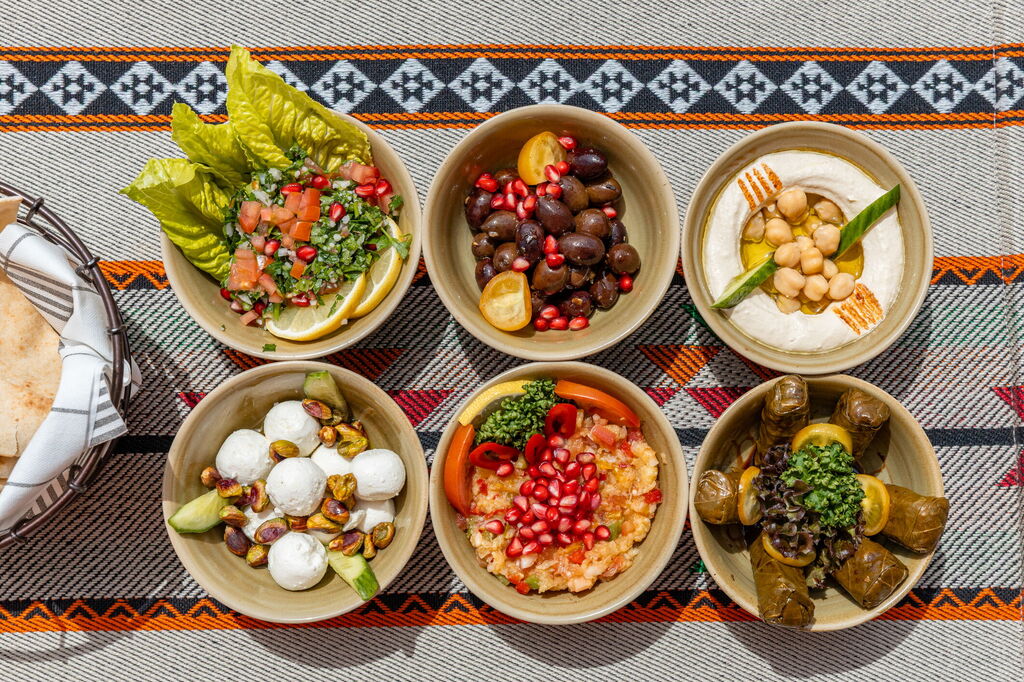
Over the centuries, Greek cuisine has absorbed numerous influences while maintaining its distinctive identity. Spices and dried fruits from the Middle East and the Persian world enriched local flavors, while the Roman and Byzantine heritage refined baking and preservation techniques and helped shape a cheese-making tradition that remains important today. During the Ottoman era, specialties such as meze and syrup-based desserts became part of the culinary landscape. Meze refers to a variety of small dishes served as appetizers, ranging from marinated olives to stuffed grape leaves. They represent a shared dining experience where enjoying food together is central. Sweets made with flatbread and aromatic syrup tell stories of cultural exchange over the centuries. Even the well-known Tzatziki – a refreshing blend of yogurt, cucumber, and garlic – reflects these historical connections, as its name derives from the Turkish word “cacık.”
The Greek islands in particular absorbed Venetian and Italian influences over the centuries, developing their own culinary nuances and terminology. Pastitsio, for example, is now a staple of Greek cuisine, yet its roots lie in Mediterranean cooking traditions where layers of pasta, savory minced meat, and creamy béchamel sauce are combined into a harmonious dish.
The result is a cuisine with a clear identity: olive oil plays a leading role, local ingredients take center stage, aromatic herbs add depth to every dish, and sociability lies at the heart of the dining experience. Every bite reflects centuries-old traditions, the meeting of land and sea, and an approach to food that engages all the senses.
Greek Ingredients: The Foundation of a Timeless Cuisine
The true strength of Greek cuisine lies less in elaborate preparation and more in the quality of its ingredients. When olive oil is authentic, tomatoes are ripe and harvested in season, and cheese is produced using traditional methods, even simple dishes offer balanced and distinctive flavors.
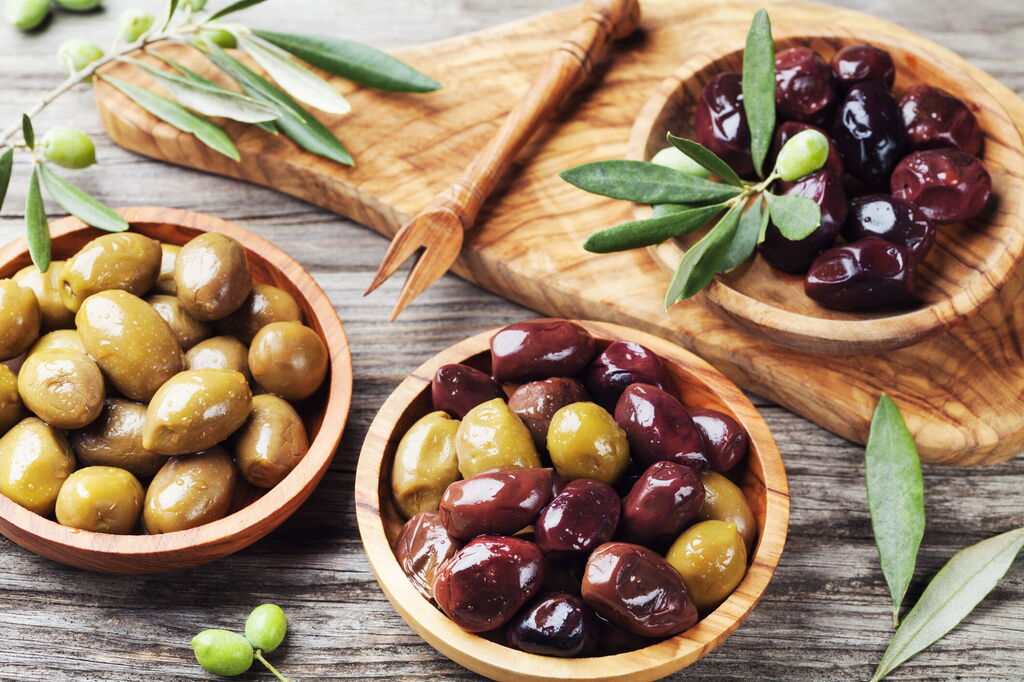
Olive oil forms the foundation of this culinary tradition. It is not merely a seasoning, but a central element of daily nutrition, closely linked to agriculture and the landscape. On Crete in particular, it plays a key role in regional cooking. Olives themselves are equally important, especially the well-known Kalamata olives. With their firm texture and intense flavor, they exemplify the quality and authenticity of many Greek products.
When it comes to cheese, Greece also offers a wide and long-standing tradition. Feta is the most famous variety and has been aged in brine for centuries. Today it is a cornerstone of Greek cooking, used not only in the classic Greek salad but also in savory pies, baked dishes, and a variety of fillings. Alongside Feta, other cheeses play an important role, including Kasseri, Kefalotyri, and Manouri. Each of these specialties has its own flavor profile and typical culinary uses, reflecting the regional diversity and artisanal heritage of Greek cheesemaking.

Graviera, one of Greece’s most important hard cheeses, deserves special mention. On Crete, Graviera Kritis is associated with high quality. It is mainly produced from sheep’s milk, sometimes blended with goat’s milk, and is known for its aromatic, slightly nutty flavor that works well both on its own and in cooked dishes. Also well known is Graviera from Naxos, appreciated for its milder, more buttery profile. This variety is made from cow’s milk and differs clearly from the Cretan versions.
Two other ingredients with strong regional identity are also central to modern Greek cuisine. Greek yogurt gains its thick and creamy texture through a special straining process. It is versatile and appears in both savory dishes and desserts, often paired with honey and nuts. Equally well known is the pistachio from Aegina (Fystiki Aeginas), a product closely tied to its place of origin. Its intense aroma and long cultivation tradition make it a valued specialty.
These ingredients highlight how deeply Greek cuisine is rooted in regional products, traditional production methods, and a food culture where enjoyment and togetherness are closely connected.
The Great Classics: Greek Flavors Between Taverns and Everyday Life
Greek cuisine is internationally known for several iconic dishes distinguished by clear flavors and straightforward, time-tested preparation. Gyros and Souvlaki are among the best-known specialties and represent an approachable, everyday food culture enjoyed both at street stands and in traditional taverns.
Gyros usually consists of pork or chicken cooked on a vertical rotisserie, sliced thin, and served in soft pita bread. Typical accompaniments include tomatoes, onions, and Tzatziki, a yogurt and cucumber sauce with garlic. Souvlaki, on the other hand, refers to marinated meat skewers that are grilled and often served with bread, vegetables, or salad. Both dishes are integral to daily Greek cuisine and show how enjoyment, sociability, and simple ingredients come together.
Moussaka is one of the most well-known baked dishes in Greek cuisine. It typically features layers of eggplant, seasoned minced meat, and a golden-brown béchamel sauce. In many households, it is traditionally prepared for shared meals and is considered a classic family dish. The combination of ingredients creates a balanced interplay of textures and flavors: the eggplant absorbs the seasoning of the meat and tomato sauce, while the béchamel adds a creamy structure that harmoniously brings the layers together.

The Greek salad, also known as Horiatiki, perfectly represents the core principles of Greek cuisine: few ingredients, clear flavors, and careful selection of high-quality products. Ripe tomatoes, fresh cucumbers, red onions, Kalamata olives, and Feta come together in a balanced combination of freshness, acidity, and savoriness. The quality of each component is essential to the final result. In its simplicity, this salad reflects the importance of seasonal ingredients and regional products and is a staple of everyday food culture in Greece, especially during the warmer months.
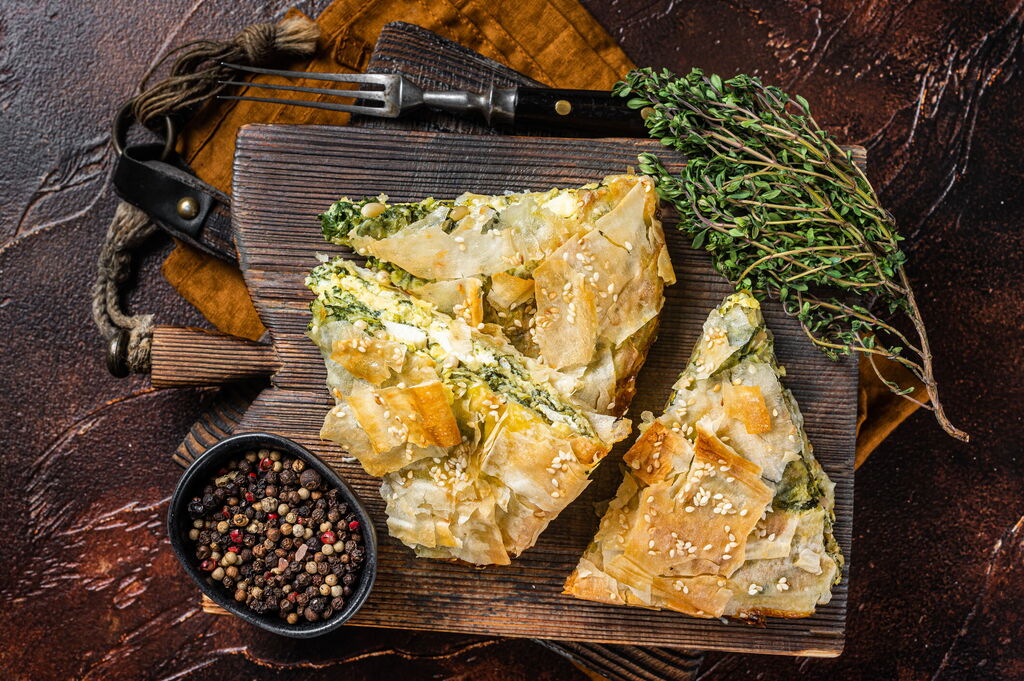
Many other traditional dishes also shape Greek cuisine. Spanakopita is a savory pie made with phyllo dough and filled with fresh spinach and Feta. The thin, crisp layers of pastry and the aromatic filling highlight the craftsmanship behind many classic recipes. Gemista, vegetables such as tomatoes or peppers stuffed with rice, herbs, and spices, reflect the close connection to seasonal agriculture. Equally typical are Horta, a variety of wild greens that are boiled and seasoned with olive oil and lemon. These simple preparations show how strongly everyday Greek cooking is influenced by regional plants, fresh ingredients, and straightforward flavors.
What Can You Eat on Crete, One of the Leading Culinary Destinations?
Crete’s cuisine holds a special place within Greece. It is characterized by simple preparations, high-quality local ingredients, and a strong connection to the island’s agricultural traditions. A balanced combination of vegetables, legumes, grains, herbs, cheese, and olive oil is typical, complemented by fish along the coasts and meat dishes inland.
A central element is extra virgin olive oil, used generously and giving many dishes their distinctive depth. Even simple meals based on vegetables or legumes gain a rounded, full flavor from it. Wild greens, grouped under the name Horta, are also typical. They are usually boiled and served with olive oil and lemon, representing the island’s close ties to nature. This cuisine is further enriched by regional cheeses such as Graviera and Myzithra, used both fresh and aged.
The culinary diversity is also reflected geographically: along the coasts, fish dishes dominate, while in the mountainous interior, legumes, stews, and grilled meats are more common. These differences mirror the island’s varied landscapes and make its regional cuisine particularly diverse.
Another key aspect is the strong presence of food culture in daily life. Local markets, small bakeries, artisanal producers, and family-run taverns shape the culinary scene. Fresh, seasonal products are central, and meals are traditionally enjoyed in a shared, relaxed atmosphere. On Crete, food is not just about nourishment, but an integral part of social and cultural life.
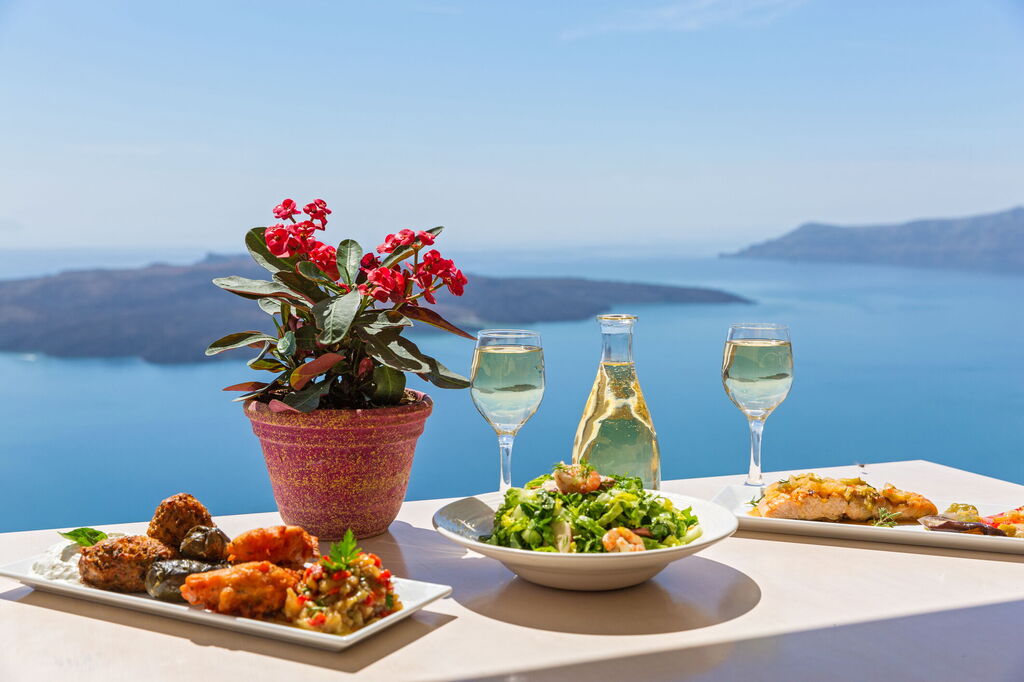
Low-Cost Dining on Crete: Enjoy Authentic Cuisine on a Budget
Those who want to experience authentic Cretan cuisine do not need to plan a large budget. With a few simple tips, it is possible to eat well and enjoy local flavors at affordable prices.
- Choose small eateries and beach bars: Away from traditional restaurants, simple spots, kiosks, and beach bars often offer sandwiches, salads, and warm snacks at moderate prices. Service is usually quick and informal, especially during the day.
- Follow local recommendations: Advice from residents often leads to family-run taverns with fair prices and traditional cooking, away from heavily tourist-oriented areas.
- Visit local markets: In cities like Chania and other towns across the island, you can find fresh, seasonal products at reasonable prices. Markets are also a great way to discover typical ingredients and local specialties.
- Choose traditional Cretan dishes: Traditional meals are often based on simple regional ingredients and are moderately priced. One example is Dakos, a salad made with tomatoes, olive oil, herbs, and dried bread, considered a light and authentic option.
- Ask about daily specials: Many taverns offer daily dishes prepared fresh and offering good value. These meals are often based on seasonal ingredients.
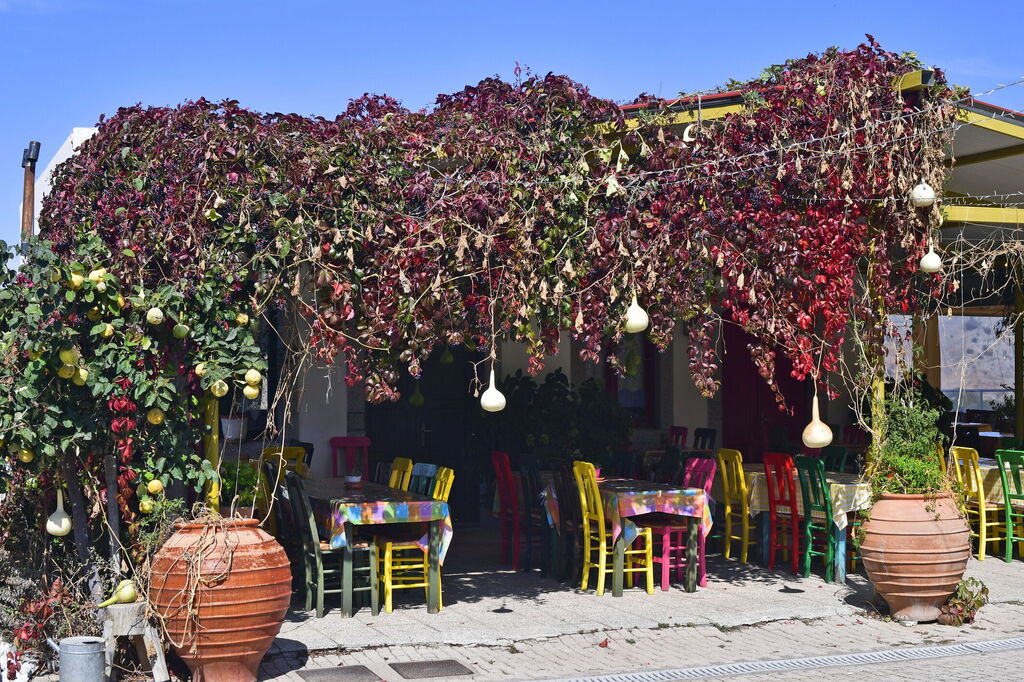
In this context, PosarelliVillas offers a selection of vacation homes on Crete that provide an ideal starting point for exploring the island’s sea, culture, and nature, as well as its diverse cuisine. A comfortable yet authentic accommodation allows you to discover the island independently and explore lesser-known places. Away from the main towns, roads lead to traditional inland villages, secluded beaches, and small taverns where regional dishes are prepared according to long-standing recipes. In this way, a trip to Crete becomes an opportunity to experience local lifestyles and culinary traditions firsthand.
If you would like to discover Greece, and Crete in particular, we invite you to find your ideal vacation home by simply clicking the button below:
VACATION HOMES IN CRETE